




What's Happening?
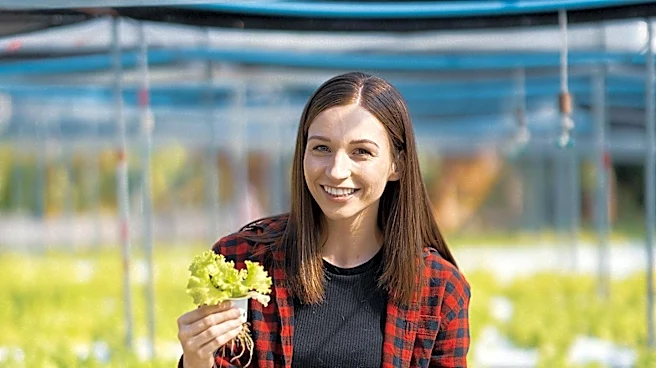
Lima Senior High School's agriculture program, in partnership with Lima City Schools and the West Ohio Food Bank, is utilizing hydroponic growing towers to produce fresh greens for the community. The West Ohio Food Bank provided grant dollars to purchase
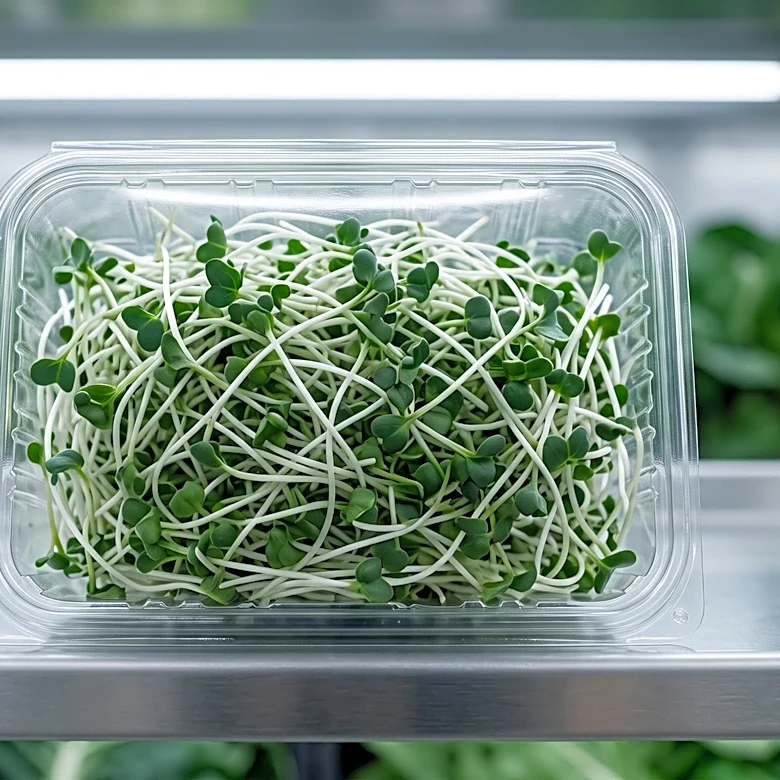
five hydroponic towers for the program, enabling students to plant, care for, and harvest leafy greens such as lettuce, arugula, and collard greens. The students have already completed their first harvest, delivering 12 pounds of fresh greens to the West Ohio Food Bank. This initiative addresses food insecurity in the area while providing students with hands-on agricultural experience. Dakota Dobbins, a senior and member of the Lima Senior FFA, explained the process of growing plants from seeds using RO water and then harvesting them for the food bank. The program emphasizes community building and addressing local needs.
Why It's Important?
This partnership is significant as it tackles food insecurity in the West Ohio region by providing a sustainable source of fresh produce. It also offers a unique educational opportunity for high school students, giving them practical experience in modern agricultural techniques like hydroponics. This hands-on learning not only equips students with valuable skills but also instills a sense of community responsibility and an understanding of the food supply chain. The initiative demonstrates how educational institutions can collaborate with local organizations to address pressing social issues, creating a model for other communities. The program's success in delivering fresh greens directly to those in need highlights the potential for localized, student-led efforts to make a tangible difference in public health and food access.
What's Next?
The program is designed for continuous operation, with students regularly planting, caring for, and harvesting greens to be delivered to the West Ohio Food Bank. This ongoing process ensures a steady supply of fresh produce for the community. The West Ohio Food Bank President and CEO, Tommie Harner, indicated that the harvested produce will be distributed to various area food banks. The continued success of this program could lead to its expansion, potentially involving more hydroponic towers or a wider variety of crops. Furthermore, the positive impact on student learning and community engagement might inspire similar agricultural education and food security initiatives in other schools and regions.
Beyond the Headlines
Beyond its immediate benefits, this program fosters a deeper understanding of sustainable agriculture and community service among young people. It highlights the potential of hydroponics as a method for urban farming and food production in areas with limited traditional agricultural space. The initiative also underscores the importance of inter-organizational collaboration between schools and non-profits to achieve shared goals. Ethically, it promotes food justice by ensuring access to nutritious food for vulnerable populations. Culturally, it builds a stronger sense of community by engaging students directly in efforts to support their neighbors, demonstrating that education can be a powerful tool for social change and local empowerment.