








What's Happening?
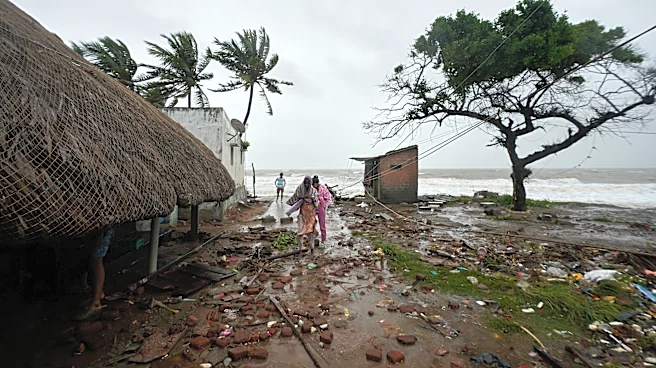
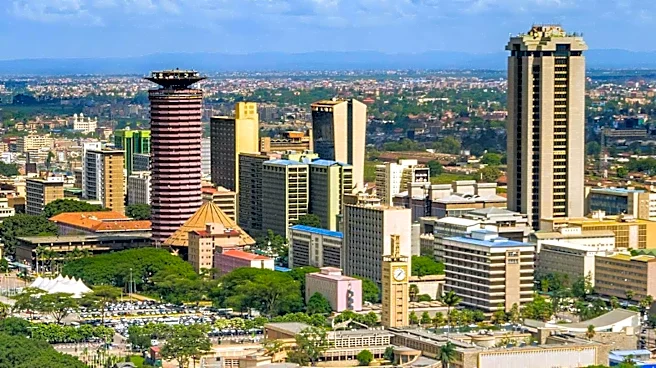
Nairobi, Kenya, is undertaking a comprehensive $385 million initiative to mitigate the severe flooding risks anticipated from a strong El Niño event expected to peak in late 2026 and continue into early 2027. The city, which experienced devastating floods
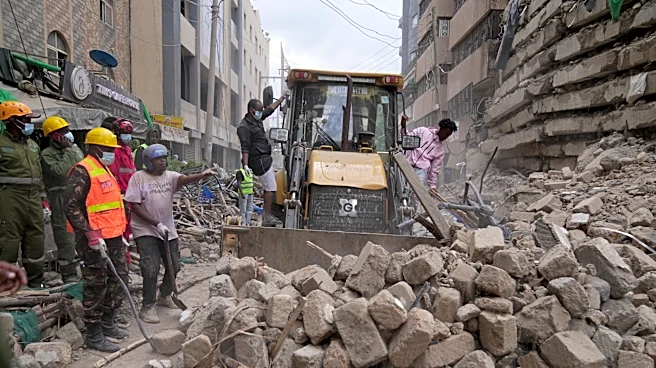
in March 2026 resulting in over 100 fatalities, is highly susceptible to such events. The federal government's plan includes widening waterways, constructing affordable housing, and enhancing trash collection and sewer systems by the end of 2027. A key component of this effort is the mobilization of the 'Green Army,' a national youth employment program called Climate WorX, comprising over 4,000 individuals. These workers are actively clearing drainage systems and dismantling illegal structures that impede water flow, particularly in low-income settlements. Bramwell Simiyu, the chief officer of disaster management for Nairobi's county government, noted that the city's existing infrastructure, designed for a population of under 2 million, is now strained by a daytime population nearing 7 million.
Why It's Important?
This extensive flood mitigation project is crucial for Nairobi, a city grappling with rapid urbanization and an aging infrastructure that is ill-equipped to handle its growing population and the increasing intensity of weather events. The recurring floods disproportionately affect low-income communities, leading to loss of life, displacement, and economic hardship. The $385 million investment signifies a significant commitment to public safety and urban resilience. By addressing infrastructure deficiencies and engaging a large workforce through the 'Green Army,' the initiative aims to protect vulnerable populations and critical urban services. The success of this plan could serve as a model for other rapidly developing cities facing similar climate-related challenges, highlighting the importance of proactive disaster preparedness and sustainable urban planning.
What's Next?
Nairobi is actively preparing for the worst-case scenario, with plans to establish evacuation centers and supply provisions for up to 20,000 households, primarily in low-income areas. The 'Green Army' will continue its efforts to clear drainages and remove illegal structures, a measure that has, however, sparked controversy due to its impact on local businesses and livelihoods. The federal government's $385 million plan is slated for completion by the end of 2027, indicating a sustained period of infrastructure development and environmental management. The effectiveness of these measures will be tested during the upcoming El Niño season, and ongoing monitoring and community engagement will be vital to adapt and refine the strategies for long-term flood resilience.
Beyond the Headlines
The Nairobi flood mitigation efforts highlight the complex interplay between urban development, climate change, and social equity. While essential for public safety, the demolition of informal structures, often built by communities for income and daily needs, underscores the challenges of balancing urban planning with the immediate economic realities of vulnerable populations. The 'Green Army' initiative, while providing employment, also brings to light the broader issue of youth unemployment in Nairobi, where estimates range from 70% to 90% in some areas. This situation suggests that sustainable solutions must integrate both environmental protection and socio-economic development, ensuring that interventions do not inadvertently exacerbate existing inequalities. The long-term success will depend not only on infrastructure improvements but also on fostering community resilience and inclusive urban governance.