




What's Happening?
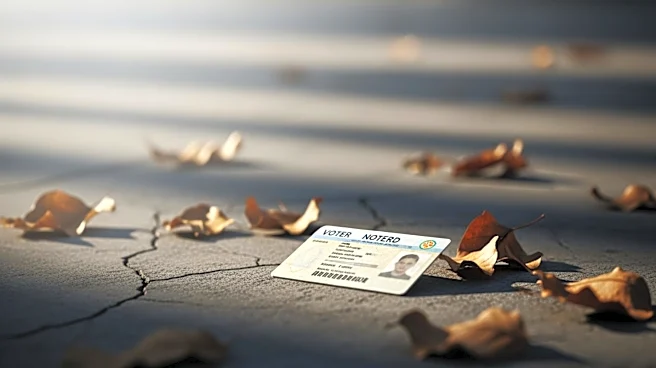
In West Bengal, a 32-year-old man named Anarul Sheikh allegedly died by suicide after his name was removed from the electoral rolls following the Special Intensive Revision (SIR) exercise. Sheikh, a resident of Nalhati in Birbhum district, was reportedly
under severe mental stress after discovering his exclusion from the voter list. His family claims he consumed poison after returning from an appeal at the Rampurhat Subdivisional Office. The incident has sparked outrage among locals, who accuse the Election Commission of improper verification during the SIR process. They have threatened to boycott future elections if the situation does not improve. The police have sent Sheikh's body for a postmortem examination.
Why It's Important?
This incident highlights the potential consequences of administrative errors in electoral processes, which can lead to severe personal and community distress. The removal of names from electoral rolls without proper verification undermines public trust in the electoral system and can disenfranchise citizens, affecting their democratic rights. The threat of an election boycott by locals indicates a broader dissatisfaction with the current process, which could impact voter turnout and the legitimacy of future elections. Addressing these concerns is crucial to maintaining the integrity of the electoral system and ensuring fair representation.
What's Next?
The Election Commission may face increased scrutiny and pressure to review and improve the verification process for electoral roll revisions. There could be calls for an independent investigation into the incident and similar cases to prevent future occurrences. The government might need to engage with affected communities to restore trust and ensure that all eligible voters are included in the electoral rolls. Public awareness campaigns and transparent communication about the revision process could help mitigate tensions and encourage participation in upcoming elections.