





What's Happening?
Sioux Falls law enforcement officials, including Mayor Christine Erickson, publicly defended the use of Automatic License Plate Readers (ALPRs) on Tuesday. This defense came during a semi-annual briefing on crime statistics, coinciding with a surge of nationwide
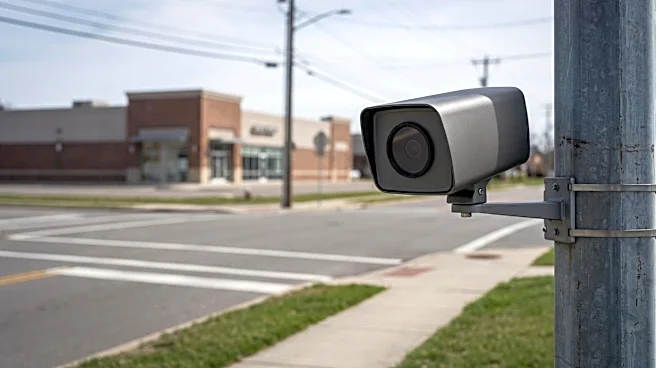
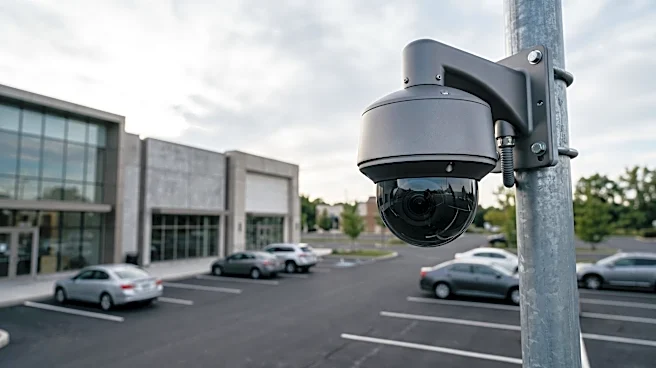
opposition to the technology that has now reached Sioux Falls. The city has been utilizing these cameras, specifically the Flock brand system, since June 2025 under a two-year contract. ALPRs function as a network of cameras that monitor traffic and alert authorities when a vehicle associated with a crime suspect or parole absconder passes by. Opponents of the system voiced their concerns at two City Council meetings held on the same day, indicating a growing local debate over privacy and surveillance.
Why It's Important?
The debate over Automatic License Plate Readers in Sioux Falls reflects a broader national discussion concerning privacy rights versus public safety. Proponents, like local law enforcement, argue that ALPRs are crucial tools for crime prevention and apprehension, enabling quick identification of vehicles linked to criminal activities. This technology can significantly aid in locating stolen vehicles, Amber Alert subjects, and individuals wanted for serious offenses. However, opponents raise significant concerns about potential mass surveillance, data retention policies, and the possibility of misuse or abuse of the collected data. The deployment of such technology without robust oversight and clear privacy safeguards can erode public trust and potentially lead to civil liberties infringements, making this a critical issue for community engagement and policy-making.
What's Next?
The ongoing debate in Sioux Falls regarding ALPRs is likely to continue, with further discussions expected at City Council meetings. Opponents may organize more public demonstrations or petitions to advocate for stricter regulations, limitations on data retention, or even the discontinuation of the system. Law enforcement and city officials will likely continue to present data and arguments supporting the efficacy of ALPRs in crime reduction. The current two-year contract with Flock, which began in June 2025, suggests that a decision on its renewal or modification will need to be made in the near future. This period will be crucial for public input, policy review, and potential adjustments to how the technology is implemented and governed in Sioux Falls.
Beyond the Headlines
The controversy surrounding ALPRs in Sioux Falls delves into fundamental questions about the balance between security and individual freedoms in a technologically advanced society. Beyond immediate crime statistics, the long-term implications include the potential for a 'surveillance creep,' where technologies initially deployed for specific purposes gradually expand in scope and application. This raises ethical considerations about who has access to this data, how it is protected from breaches, and whether it could be used for purposes beyond law enforcement, such as commercial exploitation or political monitoring. The outcome in Sioux Falls could set a precedent for other municipalities grappling with similar technologies, influencing how communities nationwide navigate the complexities of modern surveillance tools and their impact on democratic values.