








What's Happening?
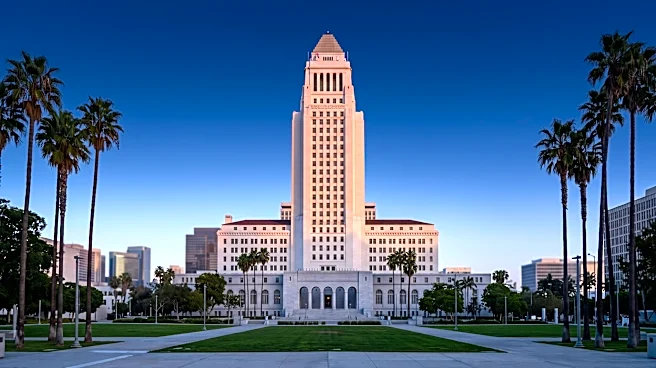
The Los Angeles Public Library's Central Library, the third-largest central library in the United States, functions as the headquarters for the Los Angeles Public Library system, which encompasses 72 branch libraries. This historic institution, opened
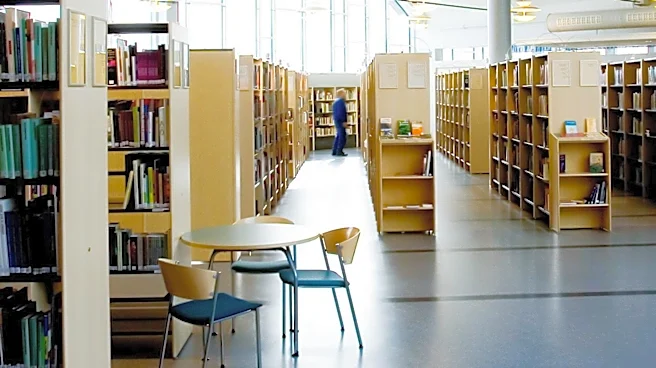
in 1926, houses over 2.8 million books, 5,000 magazine subscriptions, more than 3 million photographs, and 10 million digital access U.S. patents. It also provides language learning and multi-media materials. The Central Library features nine subject departments offering various reference services in person, by phone, mail, email, or chat. Patrons across the city can order materials and have them shipped to their local branch. The building itself is an architectural landmark, known for its tiled pyramid roof, the mural-lined Rotunda, and the more modern Atrium wing added in 1993. It spans 538,000 square feet across eight floors, with nearly 89 miles of shelves and seating for over 1,400 people. Additionally, it offers 255 free public access computers and Wi-Fi internet access, with LAUSD Downtown Magnets High School utilizing it as a classroom.
Why It's Important?
The Los Angeles Public Library's Central Library plays a crucial role in the educational and cultural landscape of Los Angeles and the broader U.S. It provides extensive resources that support literacy, research, and community engagement for a diverse population. Its vast collection of books, periodicals, photographs, and digital patents makes it a vital center for academic study, professional development, and personal enrichment. The availability of free public access computers and Wi-Fi addresses the digital divide, offering essential internet access to those who might not otherwise have it, thereby promoting digital literacy and equitable access to information. The library's role as a classroom for LAUSD Downtown Magnets High School highlights its direct contribution to formal education. Furthermore, its architectural significance and historical presence contribute to the city's cultural heritage, making it a landmark that attracts both residents and visitors, fostering a sense of community and intellectual curiosity.
What's Next?
The Central Library will continue to serve as a cornerstone for the Los Angeles community, adapting its services to meet evolving needs. Future developments may include further integration of digital resources and online services to enhance accessibility for patrons across the city. The library's ongoing commitment to providing free public access to technology and educational programs suggests a continued focus on bridging the digital divide and supporting lifelong learning. As a hub for various community activities, including exhibitions, children's programs, and adult literacy initiatives, the library is likely to expand its programming to cater to a wider audience. Its architectural preservation and modernization efforts will also likely continue, ensuring the building remains a functional and inspiring space for generations to come. The library's engagement with educational institutions like LAUSD Downtown Magnets High School may also lead to further collaborative initiatives.
Beyond the Headlines
Beyond its immediate functions, the Central Library embodies the enduring value of public institutions in a rapidly changing society. Its extensive physical and digital collections represent a commitment to preserving knowledge and making it accessible, challenging the notion that information is solely a commodity. The library's role as a free and open space for learning, research, and community interaction underscores its democratic function, providing a neutral ground for diverse perspectives and intellectual exploration. In an era of increasing digital information, the library's continued emphasis on physical books and in-person services highlights the importance of tangible resources and human connection. It also serves as a symbol of civic pride and investment in public good, demonstrating how foundational institutions can adapt and thrive while maintaining their core mission of education and cultural enrichment. The library's blend of historical architecture and modern amenities reflects a broader societal effort to honor the past while embracing the future.