







What's Happening?
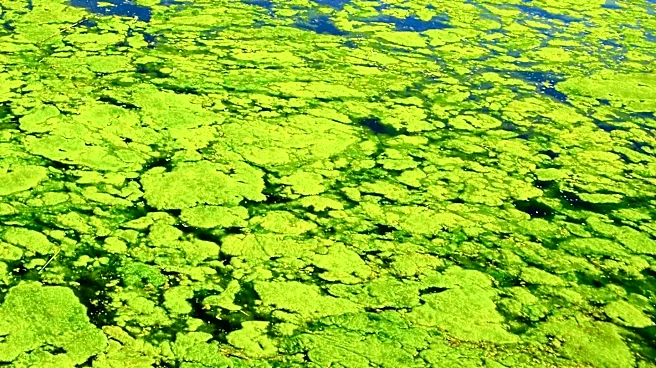
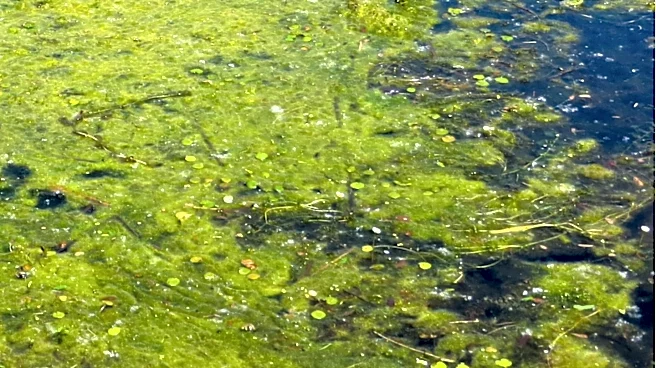
Humboldt County environmental health officials have issued a warning to residents to avoid stagnant areas of local waterways following the death of a dog that swam in a slow-moving pool of the Eel River near Scotia. The incident highlights the increasing
presence of cyanobacteria, commonly known as blue-green algae, which can produce harmful algal blooms (HABs). These blooms are more likely to occur in late July or early August due to low river flows and high temperatures. While most cyanobacteria are harmless, some can produce toxins that pose risks to animals and humans, particularly dogs and children who are more likely to stay in the water for extended periods. Since 2001, there have been 14 documented dog deaths in the county linked to cyanobacteria exposure.
Why It's Important?
The warning underscores the potential health risks associated with cyanobacteria, which can affect both animals and humans. The presence of harmful algal blooms in local waterways poses a significant public health concern, particularly for pet owners and families with young children. The economic impact is also notable, as tourism and recreational activities in affected areas may decline due to safety concerns. Additionally, the need for increased monitoring and public awareness campaigns could strain local health department resources. The situation highlights the broader environmental challenges posed by climate change, as rising temperatures and altered water flows contribute to the proliferation of harmful algae.
What's Next?
Residents are advised to keep children, pets, and livestock away from water with visible algal blooms and to avoid swimming or wading in affected areas. Health officials recommend not drinking or cooking with untreated water from rivers, streams, or lakes. Those exposed to cyanobacteria toxins should seek immediate medical or veterinary care. The county continues to monitor water conditions and encourages the public to report suspected blooms. Ongoing public education efforts aim to mitigate risks and inform residents about safe water practices.