


What's Happening?
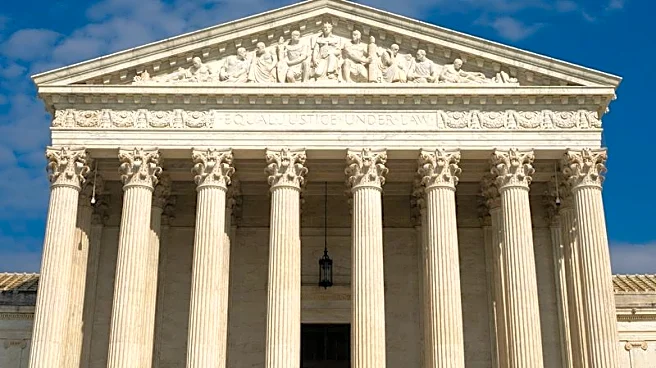
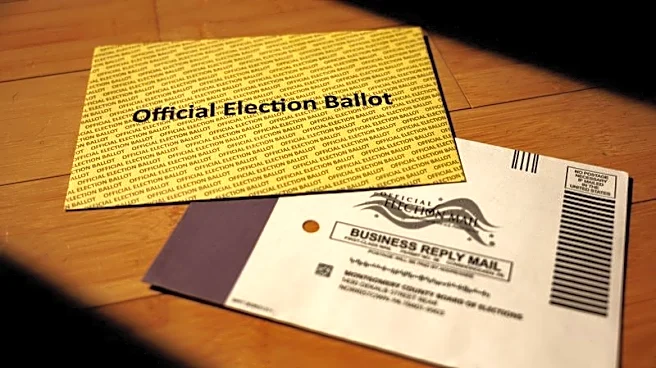
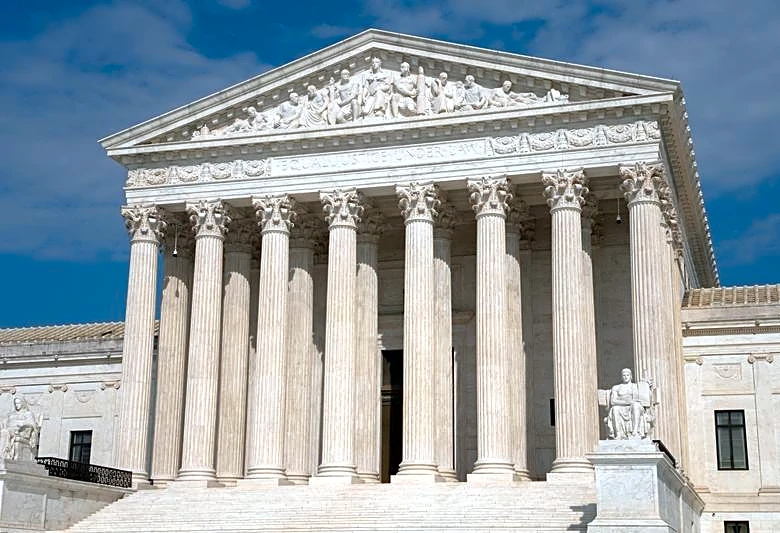
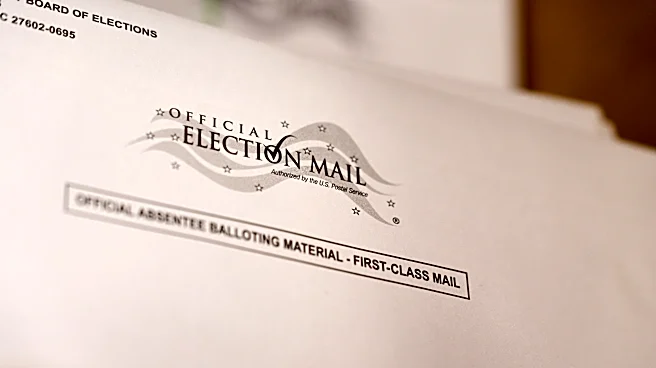
The Trump Administration has refiled an emergency appeal with the Supreme Court, seeking to overturn a federal judge's decision that blocked proposed changes to mail-in voting ahead of the November midterm elections. The administration's proposed changes include
requiring standardized barcodes on mail-in ballots and verifying them against an online portal of eligible voters provided by each state. In its latest filing, the administration asserts that these measures are "constitutional" and represent "reasonable preparation" for election-related mail. However, opponents argue that these changes constitute an attempt to federalize elections, which have traditionally been managed by individual states. Justice Ketanji Brown Jackson is overseeing this appeal and has set a Wednesday deadline for responses from the groups challenging the U.S. Postal Service rules, indicating that a decision could be made as early as midweek.
Why It's Important?
This Supreme Court appeal is critically important as it directly impacts the administration and integrity of the upcoming midterm elections. The Trump Administration's proposed changes to mail-in voting could significantly alter how ballots are processed and verified across the country. If the federal judge's block is lifted, states may be compelled to implement new requirements for standardized barcodes and online voter verification, potentially affecting voter access and the efficiency of the voting process. Opponents' concerns about federalization highlight a long-standing tension between state and federal control over elections, with implications for states' rights and the diverse electoral systems currently in place. With North Carolina already mailing out ballots and other states soon to follow, any decision from the Supreme Court will have immediate and far-reaching consequences for voters, election officials, and the overall conduct of the midterms.
What's Next?
A decision from the Supreme Court on the Trump Administration's appeal regarding mail-in ballots is expected as early as midweek, following the Wednesday deadline for responses set by Justice Ketanji Brown Jackson. The outcome will determine whether the proposed changes to mail-in voting, such as standardized barcodes and online voter verification, can be implemented for the upcoming midterm elections. If the block is lifted, states will face immediate pressure to adapt their mail-in voting procedures, potentially leading to logistical challenges and voter confusion. Conversely, if the block remains in place, states will continue with their existing mail-in voting protocols. This decision will likely draw significant attention from political leaders, election integrity advocates, and civil society groups, who will be closely monitoring its impact on the electoral process and voter participation.
Beyond the Headlines
The ongoing legal battle over mail-in voting procedures reflects a deeper national debate about election security, voter access, and the balance of power between federal and state governments. The Trump Administration's push for standardized barcodes and online voter verification, while framed as security measures, is viewed by critics as a move to exert greater federal control over elections and potentially suppress votes. This case highlights the politicization of election administration and the challenges of maintaining public trust in electoral systems. The Supreme Court's decision will not only have immediate practical implications for the midterms but could also set precedents for future election cycles, influencing how voting is conducted and regulated across the United States. The underlying tensions between ensuring secure elections and maximizing voter participation will continue to be a central theme in American politics.