



What's Happening?
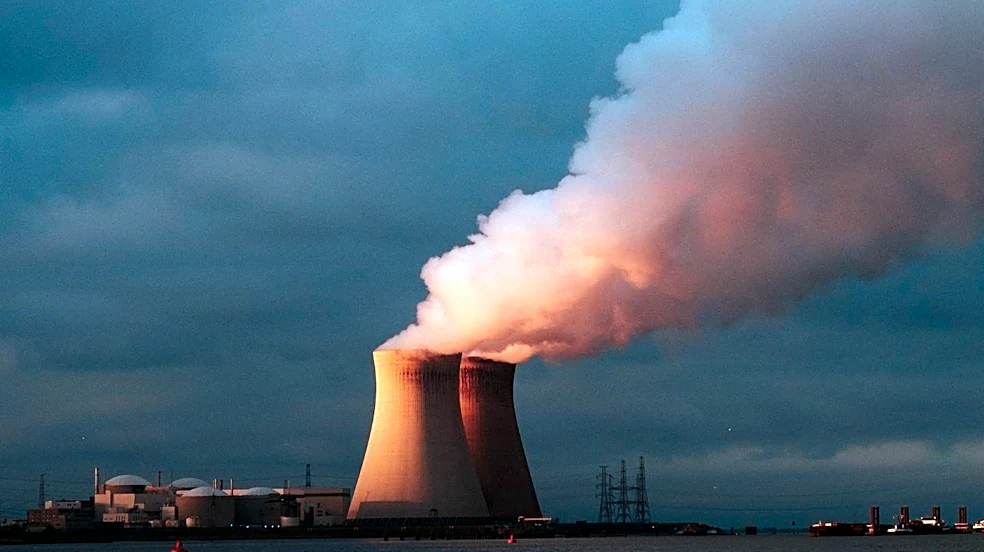
New York State, through its Department of Environmental Conservation (DEC), has acquired 750 acres of open space surrounding the former Shoreham Nuclear Power Plant on Long Island. Governor Kathy Hochul announced the acquisition, which is the largest
DEC land deal on Long Island. The property, located in Shoreham and Wading River, was originally intended for the power plant but was abandoned in 1989 and decommissioned in 1994 due to anti-nuclear protests. The DEC purchased the land from National Grid for $28.25 million, with funding contributions from the U.S. Environmental Protection Agency’s Long Island Sound Partnership Program, the New York State Clean Water Infrastructure Act, and the 1996 Clean Water, Clean Air Bond Act. This acquisition aligns with Governor Hochul’s '30x30' Initiative, aiming to protect 30 percent of New York’s lands and waters by 2030. The land encompasses diverse ecological habitats, including beaches, bluffs, maritime shrublands, coastal oak-heath forests, rare pine barrens, and tidal marshes, providing critical habitat for various species, including the endangered piping plover.
Why It's Important?
This acquisition is significant for environmental conservation in New York, particularly on Long Island, as it protects a large, undeveloped coastal parcel within the Long Island Sound Estuary. The preserved land will safeguard rare pine barrens ecosystems and contribute to the protection of Long Island’s sole-source aquifer, which is crucial for the region's drinking water supply. Environmental advocates, such as Adrienne Esposito of Citizens Campaign for the Environment, highlight that these open spaces and wetlands will serve as critical habitats, help prevent flooding, and reduce pollution in local bays, harbors, and the Long Island Sound. The preservation also ensures public access to nature, with the DEC planning to develop public parking and marked trails. This move underscores a long-standing aspiration for permanent protection of the unique land around the former nuclear plant, transforming a site once associated with controversy into a significant ecological asset for future generations.
What's Next?
The New York State Department of Environmental Conservation plans to implement several land-access improvements on the newly acquired property. These improvements will include the design and installation of a public parking area and marked trails, which are expected to be developed in the coming years. This will enhance public access and recreational opportunities within the preserved natural area. The acquisition also advances Governor Hochul’s broader '30x30' Initiative, indicating a continued focus on protecting significant portions of New York’s natural landscapes and waterways. This initiative aims to conserve 30 percent of the state's lands and waters by 2030, suggesting that similar conservation efforts may be pursued across New York in the near future. The long-term management of this parcel will likely involve ongoing ecological monitoring and maintenance to ensure the health and integrity of its diverse habitats.
Beyond the Headlines
The preservation of the land around the former Shoreham Nuclear Power Plant represents a symbolic shift from industrial development to environmental stewardship, reflecting changing public priorities and the enduring impact of grassroots activism. The abandonment and decommissioning of the plant in the 1990s, driven by anti-nuclear protests, highlight the power of community opposition in shaping major infrastructure projects. This acquisition transforms a site of past contention into a legacy of conservation, demonstrating how areas once earmarked for controversial industrial use can be repurposed for ecological benefit. It also underscores the increasing recognition of the economic and social value of natural capital, such as clean water sources and biodiversity, in densely populated regions like Long Island. The long-term implications include not only ecological benefits but also the potential for increased public engagement with nature and a reinforced commitment to sustainable land use planning in New York State.