



What's Happening?
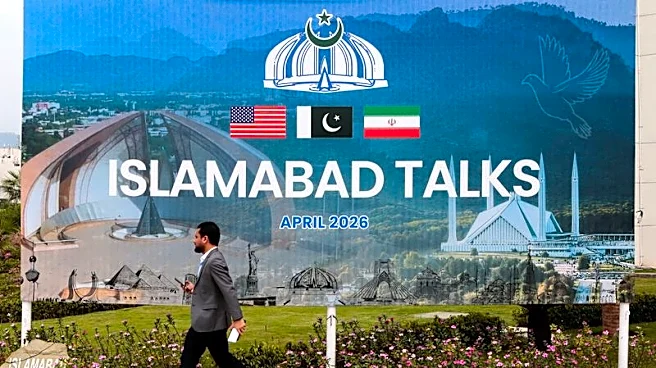
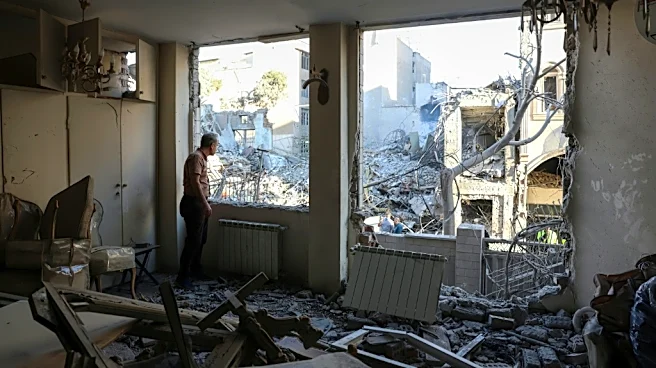
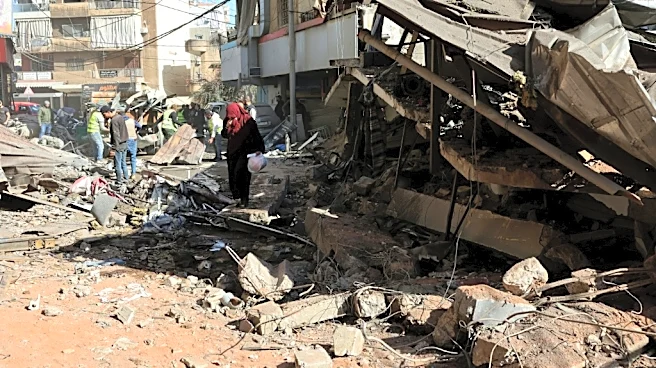
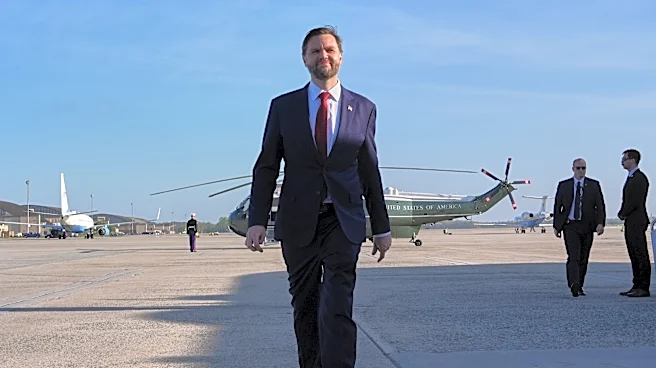
Vice President JD Vance announced that the United States and Iran failed to reach a peace agreement after extensive negotiations in Pakistan aimed at ending a six-week conflict in the Middle East. The talks, which lasted 21 hours, were unable to resolve
key issues, particularly Iran's nuclear ambitions. The U.S. delegation, led by Vance, sought an 'affirmative commitment' from Iran to halt its nuclear weapons development, a demand that Iran refused. The negotiations also addressed other contentious points, such as Iran's control over the Strait of Hormuz and its ballistic missile program. Despite the lack of agreement, Vance emphasized that the U.S. had made a 'best effort' to negotiate in good faith, as directed by President Trump.
Why It's Important?
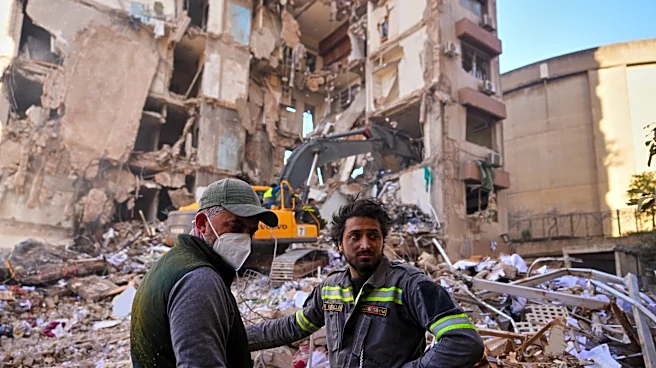
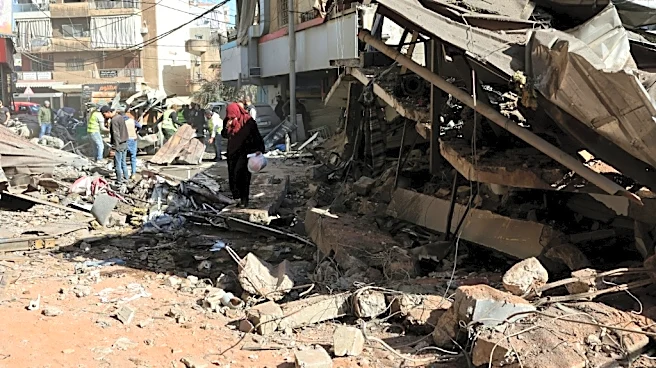
The failure to reach a peace agreement has significant implications for regional stability and international relations. The unresolved conflict could lead to renewed hostilities, affecting global oil markets due to the strategic importance of the Strait of Hormuz. The U.S. aims to prevent Iran from developing nuclear weapons, a goal that remains unmet, potentially escalating tensions further. The outcome of these talks also impacts U.S. foreign policy and its relations with allies in the region, particularly Israel, which is involved in separate peace discussions. The inability to secure a deal underscores the challenges in negotiating with Iran, which remains firm on its nuclear and regional policies.
What's Next?
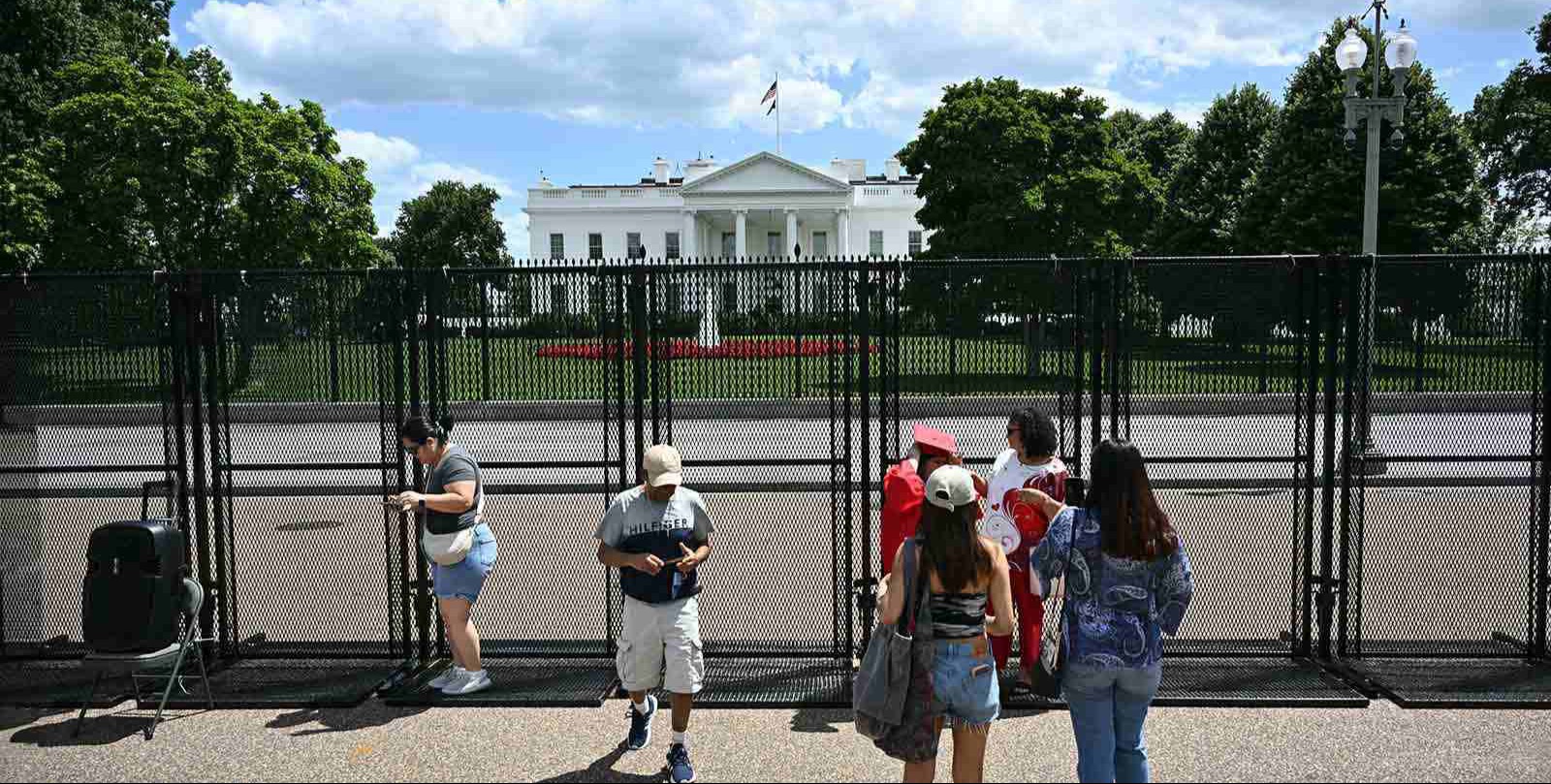
With the talks ending without a resolution, the possibility of resumed conflict looms. The U.S. may need to consider alternative diplomatic or economic strategies to address the situation. Iran's recent statements suggest a continued commitment to its nuclear program and regional influence, which could provoke further international responses. The U.S. and its allies might increase diplomatic pressure or impose additional sanctions to curb Iran's ambitions. Meanwhile, separate peace talks involving Israel and Lebanon are scheduled to take place in Washington, D.C., which could influence the broader geopolitical landscape in the Middle East.