







What's Happening?
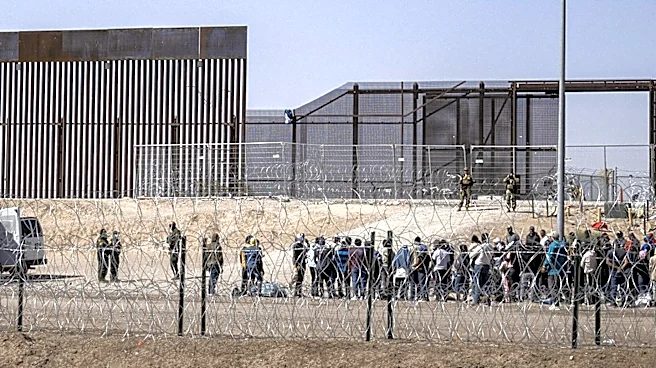
A recent analysis by CBS News has revealed that more than a dozen immigration detention facilities in the United States have not been inspected for over a year, following changes in Immigration and Customs Enforcement (ICE) policies. Previously, most
facilities were inspected twice a year, but the policy has shifted to annual or biennial inspections. This change has raised concerns among experts who argue that less frequent inspections weaken an already flawed oversight system. The report highlights that 15 out of 45 facilities holding 500 or more detainees had not been inspected in over 12 months, and five facilities had no inspection records. The Department of Homeland Security (DHS) defends the policy, stating that inspection frequency is based on facility type and capacity. However, critics argue that the reduced oversight could lead to unaddressed deficiencies, as past inspections have frequently identified issues such as inadequate suicide checks and improper food storage.
Why It's Important?
The reduction in inspection frequency for ICE detention facilities is significant as it may impact the health and safety of detainees. With the Trump administration's increased deportation efforts, the detention population has surged, making oversight crucial to ensure humane conditions. The report indicates that deaths in ICE custody have reached their highest rate since 2020, underscoring the potential consequences of inadequate oversight. The changes in inspection policies could lead to a lack of accountability for facilities with recurring deficiencies, potentially exacerbating issues such as poor medical care and unsafe living conditions. This situation poses ethical and legal challenges, as detainees' rights and well-being may be compromised.
What's Next?
The future of ICE detention facility oversight remains uncertain as the DHS continues to defend its revised inspection framework. The agency plans to conduct inspections for all dedicated ICE facilities by the end of the fiscal year. However, the effectiveness of these inspections in addressing deficiencies remains a concern. Lawmakers and advocacy groups may push for increased transparency and accountability, potentially leading to legislative or legal actions to ensure better oversight. The ongoing debate over detention conditions and inspection policies could influence future immigration policy discussions and reforms.
Beyond the Headlines
The reduction in oversight mechanisms for ICE detention facilities reflects broader trends in immigration policy under the Trump administration. The dismantling of offices responsible for investigating misconduct and abuse, along with relaxed detention standards, highlights a shift towards less stringent regulatory frameworks. This approach raises questions about the balance between immigration enforcement and the protection of detainee rights. The situation also underscores the challenges of maintaining independent oversight within agencies like ICE, where internal reviews may lack the objectivity needed to drive meaningful reforms.