




What's Happening?
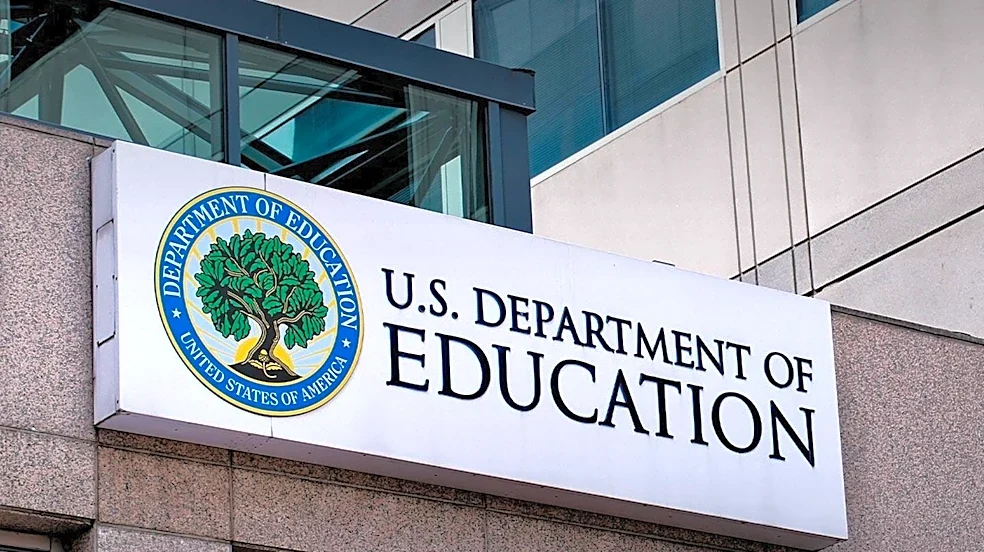
The Fourth Circuit Court of Appeals has reopened a dispute concerning grant funds between the U.S. Education Department and two Virginia school districts, Arlington and Fairfax County. The core of the disagreement revolves around the Education Department's
decision to make funds available only through a reimbursement payment method, citing the school districts' transgender student policies as a violation of Title IX. These policies permit transgender students to use locker rooms and restrooms aligning with their gender identity. The Fourth Circuit's split decision reversed a lower district court ruling that had dismissed the suits, concluding that the school districts were seeking money damages, which would fall under the jurisdiction of the U.S. Court of Federal Claims. The appellate court, however, determined that the school districts are primarily seeking a declaration that their policies do not violate Title IX, arguing that the source of these rights is statutory, not contractual. This ruling reignites calls for the U.S. Supreme Court to provide clearer guidance on complex jurisdictional issues in grant disputes, especially those involving federal anti-discrimination rules.
Why It's Important?
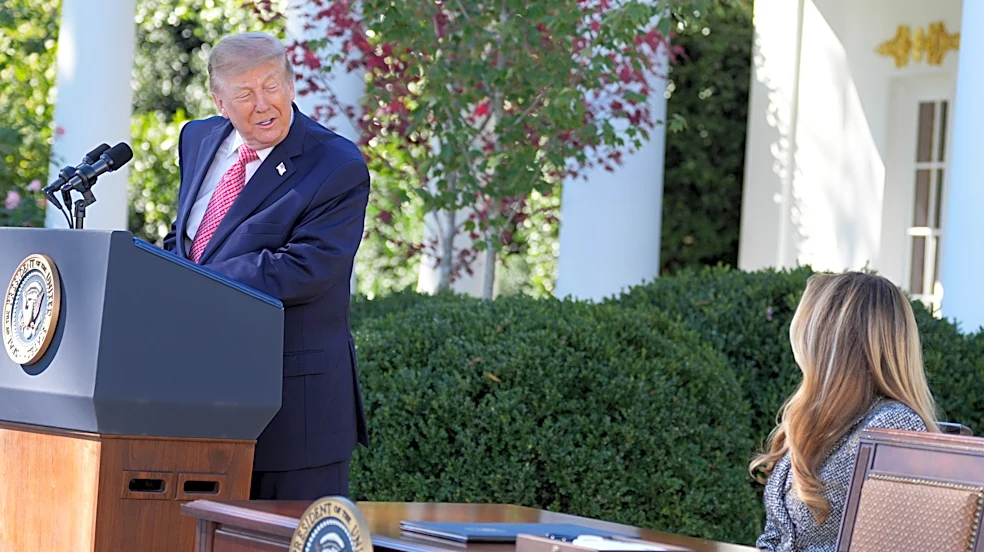
This case highlights a significant legal debate over which courts have the authority to review disputes involving federal grant cuts or restrictions, particularly those initiated by the Trump administration. The administration frequently attempted to move such cases to the claims court, where potential relief is limited to financial compensation, rather than allowing federal district courts to issue injunctions blocking policy changes. The Fourth Circuit's decision, if upheld, could empower grantees to challenge federal agency findings, including those related to diversity, equity, and inclusion (DEI) and discrimination, in their local district courts. This has substantial implications for school districts and other entities receiving federal grants, as it could provide a more accessible and broader avenue for legal recourse against federal policy changes they deem unlawful. The ongoing jurisdictional ambiguity, despite previous Supreme Court involvement through its 'shadow docket,' underscores the need for definitive clarification from the highest court, impacting how federal agencies enforce regulations and how recipients of federal funds can challenge those enforcements.
What's Next?
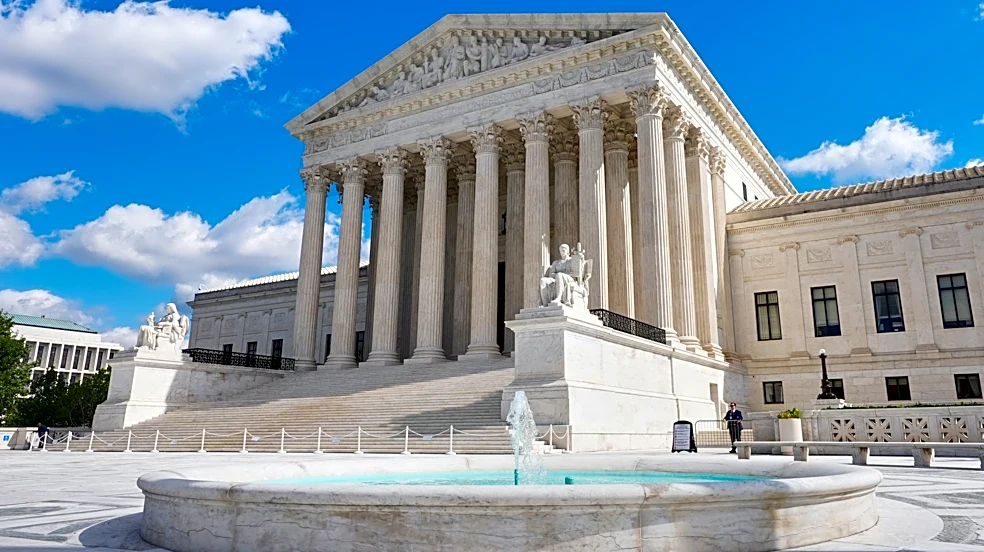
The Fourth Circuit's decision to reverse and remand the case means the dispute will return to a federal district court for further proceedings. This will likely involve a more thorough examination of whether the school districts' policies violate Title IX and whether the Education Department's funding approach is lawful. Attorneys are calling for the U.S. Supreme Court to clarify the complex jurisdictional issue surrounding grant disputes, especially given the previous 'shadow docket' decisions that have left gray areas. There is a possibility that the Supreme Court may take up the jurisdiction issue again to provide more comprehensive guidance, potentially going against the Fourth Circuit's majority opinion. The outcome of this case and any subsequent Supreme Court intervention will set precedents for how similar disputes are handled, influencing the balance of power between federal agencies and grant recipients, and potentially leading to legislative action if Congress decides to clarify grantee rights.
Beyond the Headlines
The broader implications of this case extend to the ongoing tension between federal oversight and local autonomy, particularly in sensitive areas like transgender student policies. The Education Department's stance reflects a federal interpretation of Title IX that clashes with the policies adopted by some local school boards, leading to a legal battle over funding. This dispute is not merely about financial grants but also about the interpretation and enforcement of civil rights laws at different governmental levels. The legal wrangling over jurisdiction itself points to a deeper systemic issue: the lack of clear legal frameworks for resolving conflicts when federal funding is tied to compliance with evolving social and legal norms. The case also underscores the impact of judicial processes, particularly the Supreme Court's 'shadow docket,' on significant policy matters, raising questions about transparency and the thoroughness of legal review. Ultimately, the resolution will influence the extent to which federal agencies can leverage funding to enforce their interpretations of civil rights laws on state and local entities.