





What's Happening?
The Netherlands has declared an official water shortage, elevating its national drought response to Level 2 due to persistent drought conditions. The Ministry of Infrastructure and Water Management announced that less water is entering the country via
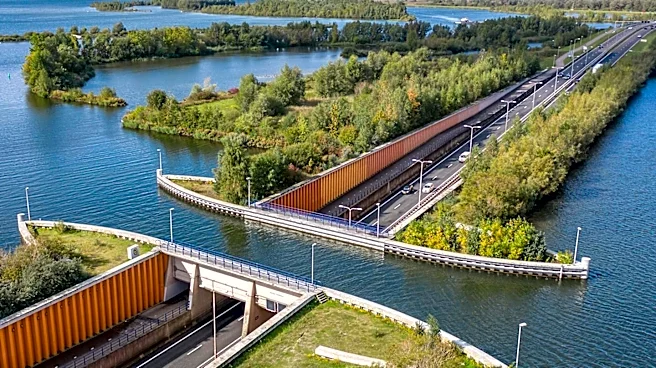
rain and rivers, while demand continues to rise. Measures to address the shortage may include reducing groundwater pumping and operating river locks less frequently to limit saltwater intrusion. Although drinking water is not currently affected, the ministry advises conscious use. The situation is exacerbated by unusually warm water temperatures in the Rhine and Meuse rivers, leading to the spread of blue-green algae and fish deaths. The Netherlands, known for its water management, is now facing the opposite challenge of drought, a situation not expected until late summer.
Why It's Important?
The water shortage in the Netherlands highlights the growing impact of climate change on water resources, even in regions traditionally adept at managing water. This development could have significant implications for agriculture, shipping, and public health, as water scarcity affects crop yields, transportation costs, and the availability of clean water. The situation underscores the need for adaptive strategies in water management and infrastructure to cope with increasingly frequent and severe droughts. As Europe experiences a summer of extreme heat and drying rivers, the Netherlands' response may serve as a model for other countries facing similar challenges.
What's Next?
If the drought persists, the Netherlands may need to implement more stringent water conservation measures. The government and water companies will continue to assess the situation and may need to make difficult decisions if conditions do not improve. Persistent rain is required to alleviate the current shortage, but forecasts show little hope of relief. The situation could escalate to a Level 3 water crisis if high temperatures and low precipitation continue, prompting further action from authorities.
Beyond the Headlines
The current water shortage in the Netherlands is a stark reminder of the broader implications of climate change. As droughts become more frequent, countries will need to rethink their water management strategies and infrastructure investments. The situation also raises ethical questions about resource allocation and the responsibility of developed nations to lead in climate adaptation efforts. Long-term, this could drive innovation in water conservation technologies and policies, influencing global approaches to climate resilience.