


What's Happening?
Lindsey Halligan, an insurance lawyer, is under scrutiny for continuing to present herself as the U.S. Attorney for the Eastern District of Virginia, despite a ruling that she is not. Judge Cameron Currie previously determined that the Trump administration's
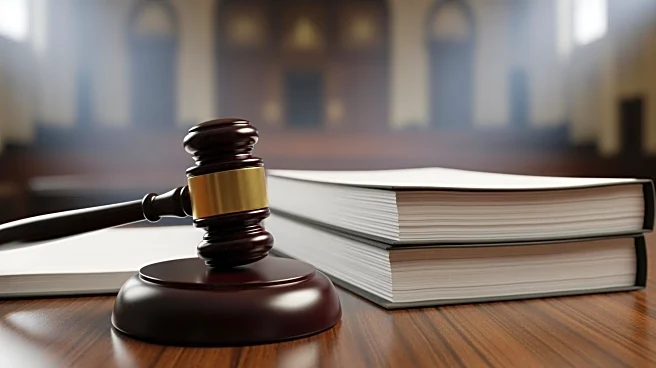
attempt to appoint Halligan was invalid under 28 USC § 546, which allows only one interim appointment per district, a position already filled by Erik Seibert. Judge David Novak has now ordered Halligan to explain her actions within seven days, questioning her continued identification as the U.S. Attorney and whether it constitutes a false or misleading statement. This situation arises from Halligan's involvement in signing indictments, despite the legal ruling against her appointment.
Why It's Important?
This case highlights significant issues regarding the integrity of legal appointments and the rule of law. Halligan's actions could undermine public trust in the judicial system if individuals can claim authority without proper confirmation. The situation also reflects on the broader implications of political influence in judicial appointments, particularly during the Trump administration. The outcome of this case could set a precedent for how similar situations are handled in the future, impacting the legal community and public perception of judicial processes.
What's Next?
Judge Novak's order requires Halligan to provide a detailed explanation for her actions, which could lead to further legal consequences if she fails to justify her claims. The court's decision on whether to strike her identification from the indictment will be closely watched, potentially influencing future judicial appointments and the enforcement of legal standards. Stakeholders, including legal professionals and political observers, will be monitoring the situation for its implications on judicial integrity and accountability.