


What's Happening?
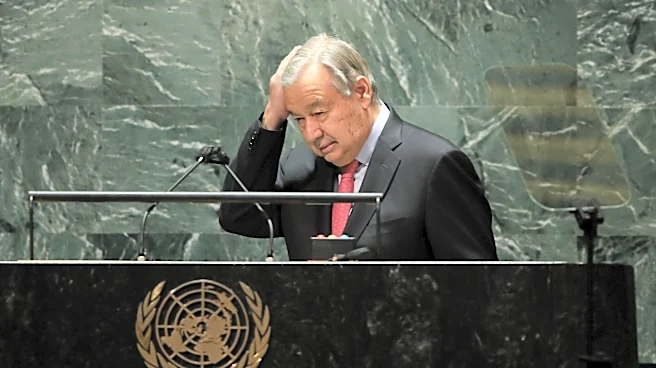
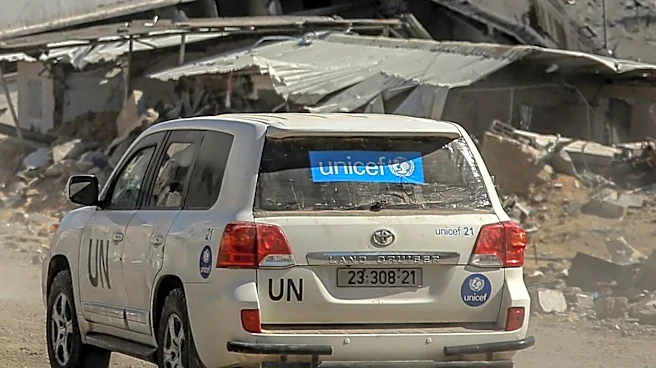
The United Nations has issued a stark warning regarding a deepening humanitarian crisis in Afghanistan, primarily driven by significant cuts in international funding and ongoing restrictions imposed by the Taliban. Bruno Lemarquis, the UN Deputy Special
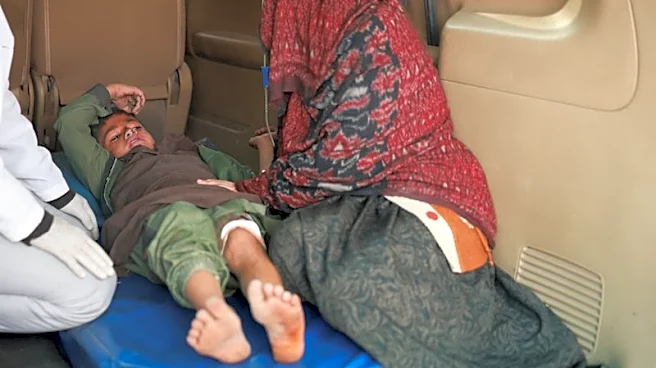
Representative for Afghanistan, reported that humanitarian funding plummeted from $2 billion in 2023 to $1 billion in 2025, and only $570 million has been secured for 2026. This reduction is severely impacting essential services, with approximately 700 of Afghanistan’s 1,900 primary healthcare facilities expected to close between 2025 and 2026. Concurrently, the Taliban's restrictions on women and girls continue to limit their access to education, employment, and public life. Over 2.6 million girls have been barred from secondary education since 2021, and female university enrollment remains at zero. A ban preventing Afghan women employees from entering UN premises, enforced since September 2025, further complicates humanitarian operations.
Why It's Important?
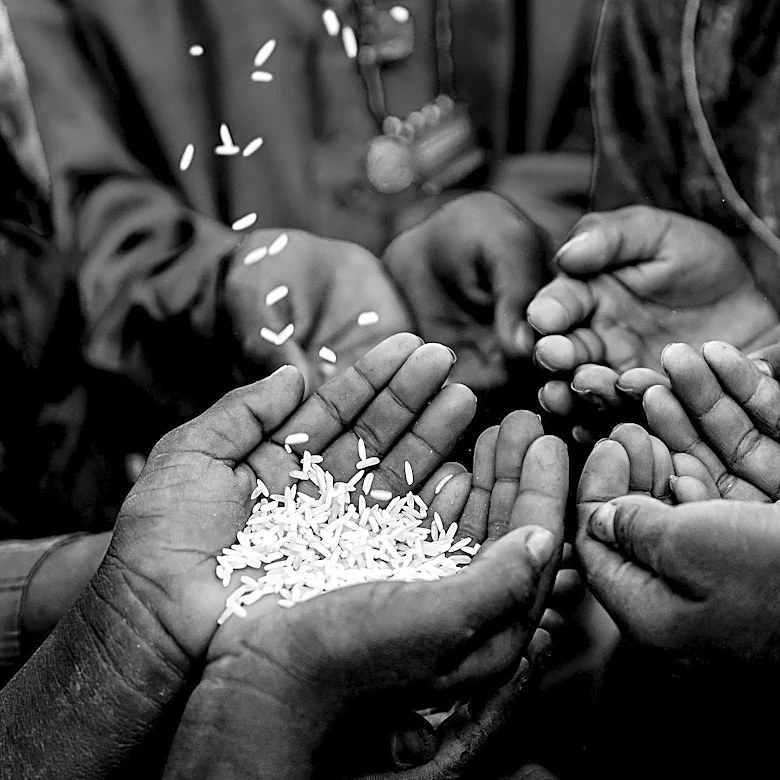
The escalating crisis in Afghanistan has profound implications, not only for the Afghan population but also for regional stability and international humanitarian efforts. The closure of nearly 40% of primary healthcare facilities threatens to leave millions without basic medical services, exacerbating an already dire situation. The Taliban's restrictions on women's rights are deepening Afghanistan's international isolation, making it harder to secure much-needed aid and hindering effective humanitarian response. The mass return of approximately 6.7 million Afghans from neighboring countries since 2020, many from Pakistan and Iran, is placing immense pressure on already limited resources like housing, employment, and public services. This confluence of factors creates a volatile environment that could lead to increased displacement, food insecurity, and regional instability, potentially impacting U.S. foreign policy and aid considerations.
What's Next?
The United Nations anticipates a sharp increase in humanitarian needs in 2027, fueled by continued mass returns, regional instability, and climate-related threats such as a potentially severe El Niño weather pattern. These factors are expected to further jeopardize food security and access to essential services. The UN has urged the international community not to abandon Afghanistan, emphasizing that the consequences of the worsening humanitarian and economic conditions could extend beyond its borders, affecting regional security and migration patterns. The ongoing restrictions on women's rights by the Taliban will likely continue to be a major point of contention, influencing the willingness of international donors to provide aid and potentially leading to further diplomatic isolation for the Taliban regime.
Beyond the Headlines
The situation in Afghanistan highlights a complex interplay of political, social, and economic factors. The Taliban's policies, particularly those targeting women, not only violate fundamental human rights but also undermine the country's capacity for recovery and development. The withdrawal of international support, while partly a response to these policies, risks creating a vacuum that could lead to greater instability and suffering. The crisis also raises ethical questions about the responsibility of the international community to populations in distress, even when faced with uncooperative regimes. The long-term implications include the potential for a lost generation of women and girls, a brain drain of educated individuals, and the entrenchment of a deeply impoverished and isolated state, posing significant challenges for future engagement and stability in the region.