





What's Happening?
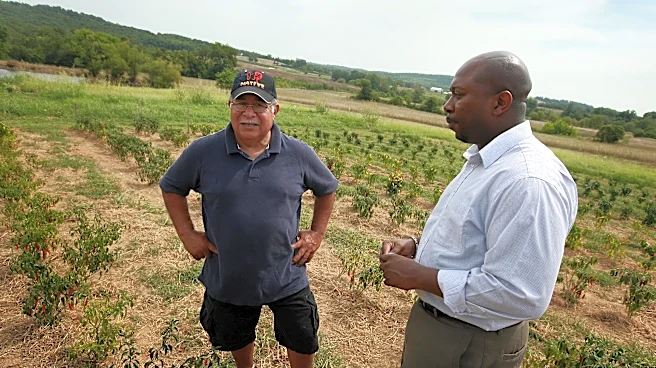
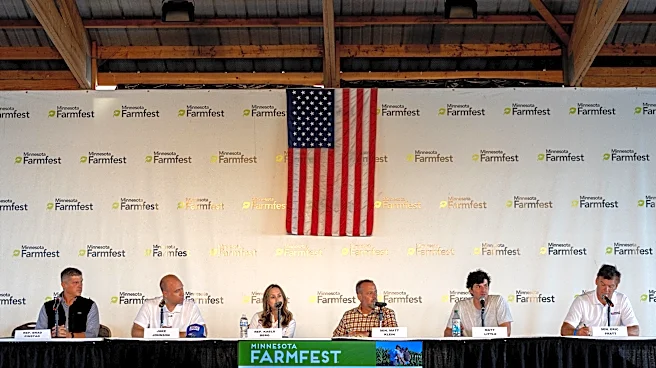
A Franklin County Agricultural Commission Roundtable Meeting was held in Greenfield, Massachusetts, bringing together residents involved in agriculture to discuss challenges facing farmers. State Sen. Jo Comerford, D-Northampton, highlighted ongoing state
government efforts to support farmers but acknowledged that current measures are insufficient, stating, 'it’s still too hard to farm.' The discussion emphasized the economic unsustainability of farming and the need for collective action and sharpened priorities. Sarah Gardner and Pete Westover of Conservation Works stressed the vital role of local agricultural commissions in advising town governments on land-related issues and mediating disputes, especially with new residents unfamiliar with farming practices. The roundtable also explored economic solutions, such as direct farm purchases by consumers and the role of land trusts in providing financial relief to farmers through land protection or Agricultural Preservation Restrictions (APRs).
Why It's Important?
The roundtable underscores the critical economic pressures faced by farmers in Massachusetts and across the U.S., where the viability of agricultural vocations is increasingly challenged. The discussion highlights the importance of local agricultural commissions in preserving farmland and ensuring agriculture remains visible and protected amidst demographic shifts and development pressures. The emphasis on economic sustainability points to a broader national issue where farmers struggle with rising costs and fluctuating markets, making it difficult to maintain profitability. The role of land trusts and APRs as financial tools is crucial for farmers seeking to retain their land for agricultural use while gaining economic relief. This local initiative reflects a wider concern about food security, land use, and the future of farming communities, impacting local economies and the availability of locally sourced food.
What's Next?
Continued advocacy and legislative efforts at the state level, as highlighted by Sen. Comerford, will be crucial to implement policies that make farming more economically viable. Local agricultural commissions are expected to strengthen their roles in town planning and community education to bridge the gap between farming communities and new residents. There may be increased exploration and promotion of direct-to-consumer sales models and further engagement with land trusts to expand land protection initiatives. The discussions could also lead to calls for more comprehensive financial support mechanisms for farmers, potentially involving state or federal programs designed to address the economic challenges of the agricultural sector. The ongoing dialogue aims to foster greater understanding and support for the agricultural community from both policymakers and the general public.
Beyond the Headlines
The challenges discussed at the Franklin County roundtable reflect a deeper societal tension between rural agricultural traditions and urban expansion, as well as evolving land use priorities. The 'right-to-farm' bylaws mentioned by Gardner highlight legal frameworks designed to protect agricultural operations from nuisance complaints, indicating a need to balance community development with agricultural preservation. The economic struggles of farmers also touch upon broader issues of food system resilience and the environmental impact of food production. If farming becomes economically unfeasible, it could lead to further consolidation of agricultural land, a decline in local food production, and increased reliance on larger, more distant food supply chains. This event underscores the cultural value of farming beyond its economic output, emphasizing its role in community identity and landscape preservation.