

What's Happening?
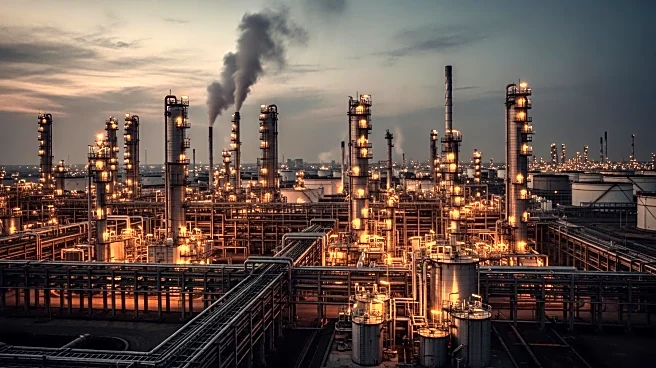
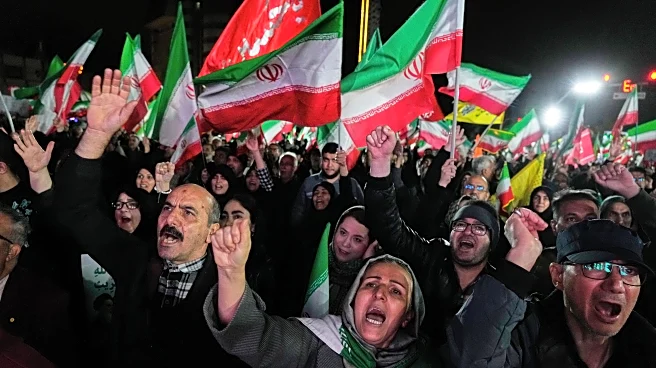
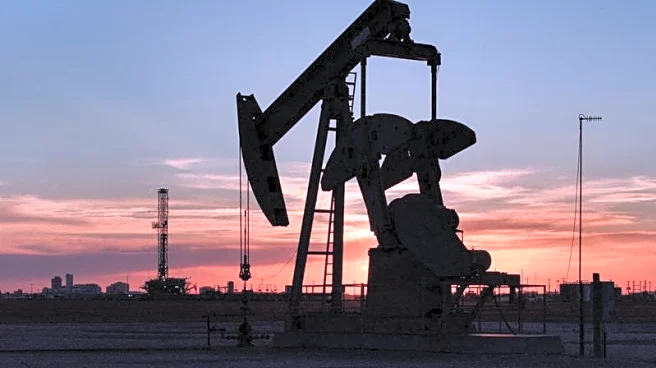
Ukrainian drone strikes have significantly disrupted Russian oil exports, halting approximately 40% of its capacity. This development comes as global oil prices have surged past $100 per barrel due to escalating conflicts involving Iran, Israel, and the
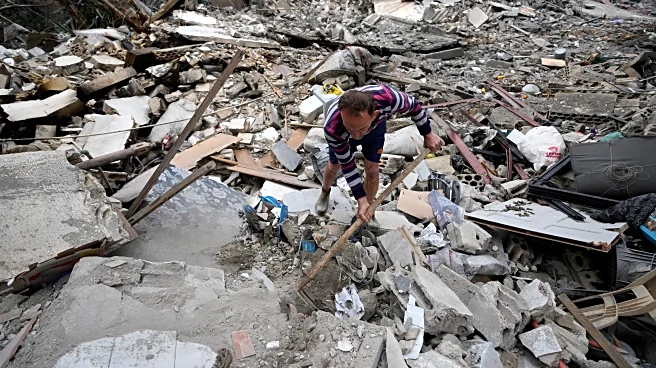
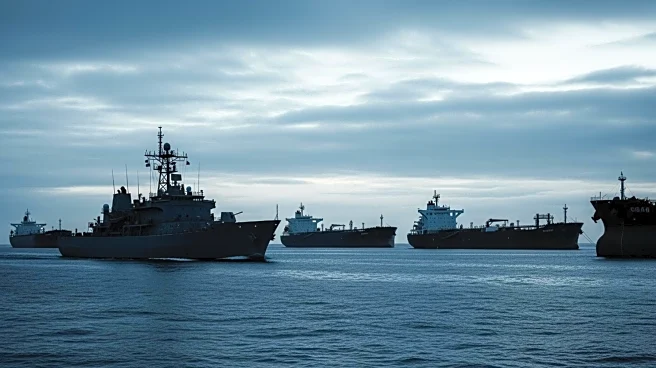
U.S. The strikes have targeted key Russian oil infrastructure, including the Ust-Luga port and the Kinef oil refinery, causing extensive damage and fires. These actions are part of Ukraine's broader strategy to limit Russia's revenue from oil exports, which finance its military operations. The U.S. has responded by issuing a temporary license to allow the purchase of Russian oil stranded at sea, aiming to stabilize global energy prices.
Why It's Important?
The disruption of Russian oil exports by Ukrainian drone strikes has significant implications for global energy markets and geopolitical dynamics. With oil prices exceeding $100 per barrel, the economic impact is felt worldwide, affecting industries and consumers. The strikes are a strategic move by Ukraine to weaken Russia's financial capacity to sustain its military activities. This situation also highlights the interconnectedness of global conflicts, as the U.S.-Israeli-Iranian tensions indirectly influence the Russia-Ukraine conflict. The U.S. Treasury's decision to allow the purchase of stranded Russian oil underscores the delicate balance between sanctioning Russia and maintaining global energy stability.
What's Next?
The continuation of Ukrainian drone strikes on Russian oil infrastructure is likely, as Ukraine seeks to further diminish Russia's export capabilities. This could lead to increased volatility in global oil markets and further strain international relations. Major stakeholders, including the U.S. and European countries, may need to reassess their strategies to address both the immediate energy concerns and the broader geopolitical implications. Additionally, Russia may seek to bolster its defenses against such attacks, potentially escalating military engagements in the region.