






What's Happening?
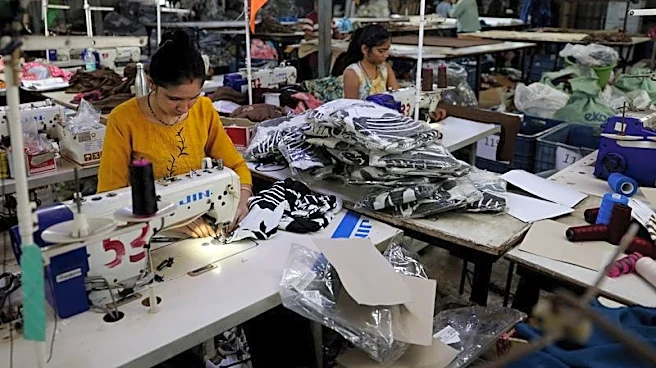
The Bangladesh Garment Manufacturers and Exporters Association (BGMEA) has issued a position paper to the commerce ministry, asserting that the country's garment industry does not suffer from overproduction capacity nor does it engage in forced labor
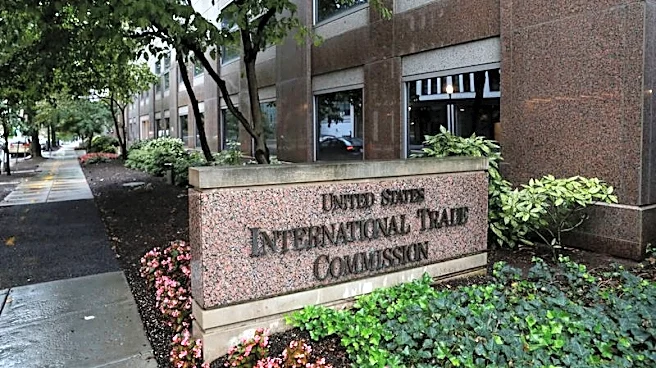
practices. This statement comes as the United States Trade Representative (USTR) prepares to conduct a hearing on April 29, investigating these issues in 60 countries, including Bangladesh. The BGMEA argues that the terms 'structural excess capacity' and 'overproduction' lack universally accepted definitions, making it challenging to assess these claims. The association emphasizes that Bangladesh's apparel sector has grown steadily over the past decade, driven by global demand rather than policy-induced expansion. The BGMEA also highlights that Bangladesh's exports primarily consist of labor-intensive, low to mid-priced apparel, which does not significantly impact U.S. manufacturing.
Why It's Important?
The USTR's investigation into Bangladesh's garment industry could have significant implications for trade relations between the U.S. and Bangladesh. The outcome of this probe may affect Bangladesh's position as a major apparel exporter, potentially impacting its economy, which heavily relies on garment exports. The BGMEA's defense highlights the importance of the apparel sector in providing affordable clothing to U.S. consumers, particularly low and middle-income households. If the U.S. were to impose restrictions based on the investigation's findings, it could disrupt the supply chain and affect pricing and availability of apparel in the U.S. market. Additionally, the allegations of forced labor, if substantiated, could lead to reputational damage and stricter import regulations.
What's Next?
The upcoming hearing by the USTR will be a critical step in determining the future of Bangladesh's garment exports to the U.S. Depending on the findings, the U.S. could impose trade restrictions or demand changes in labor practices. The BGMEA and the Bangladeshi government may need to engage in diplomatic efforts to address U.S. concerns and ensure continued access to the American market. The industry might also need to enhance transparency and compliance with international labor standards to mitigate potential negative outcomes from the investigation.