




What's Happening?
Fairgrown Farm in Hopewell Township, New Jersey, has been recognized with the Jersey Fresh Farm to School Farmer Recognition Award by the New Jersey Department of Agriculture. Owner James Klett received the award for his farm's significant efforts in connecting
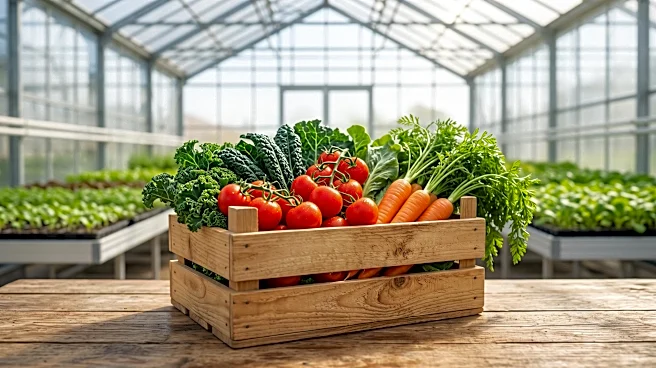
local schools and students with agricultural education and locally grown food. This recognition was part of the state's 16th annual Jersey Fresh Farm to School Week and Ag Literacy Week. Fairgrown Farm engages with students through various initiatives, including farm visits, volunteer opportunities for students with special needs, and collaborations with school garden clubs. The program aims to help children understand the origins of their food, fostering a healthier relationship with what they eat and promoting the sustainability of agriculture in New Jersey.
Why It's Important?
This initiative is crucial for addressing a growing disconnect between consumers, especially younger generations, and the source of their food. By bringing students directly to farms and involving them in agricultural processes, Fairgrown Farm and similar programs are cultivating a deeper understanding of food systems, healthy eating, and the importance of local agriculture. This connection can lead to more informed dietary choices and support for local economies. For New Jersey, a state with significant agricultural heritage, fostering this understanding is vital for the future of its farming industry. It also provides practical, hands-on learning experiences that complement traditional classroom education, offering valuable insights into environmental stewardship and sustainable practices. The program's success demonstrates how local farms can play a pivotal role in community education and public health.
What's Next?
The recognition of Fairgrown Farm is expected to encourage other farms and schools in New Jersey to develop similar partnerships, expanding the reach of agricultural education. The New Jersey Department of Agriculture will likely continue to promote and support Farm to School initiatives, aiming to integrate more locally grown produce into school cafeterias and educational curricula. There may be increased funding or resources allocated to programs that facilitate these connections. The success stories, such as students growing and selling their own produce, could inspire more youth entrepreneurship in agriculture. The long-term goal is to create a generation of adults who value fresh, locally sourced food and understand the agricultural processes behind it, contributing to healthier communities and a more sustainable food system in the state.
Beyond the Headlines
The work done by Fairgrown Farm goes beyond simply educating students about food; it addresses fundamental issues of food literacy and community engagement. In an era dominated by processed foods and global supply chains, re-establishing a direct link between children and their food sources is a powerful tool for promoting public health and environmental awareness. The involvement of students with special needs highlights the inclusive nature of agricultural education and its potential therapeutic benefits. Furthermore, the program subtly combats the urbanization of society by reminding younger generations of the importance of rural landscapes and the labor involved in food production. This initiative is a model for how local businesses can contribute significantly to societal well-being, fostering a sense of community and shared responsibility for the environment and future generations.