



What's Happening?
The NYC Public Design Commission (PDC) has delayed the approval of the Metropolitan Park Casino plan, citing the need for more detailed information regarding the project's stormwater management. This decision followed a nearly four-hour public hearing
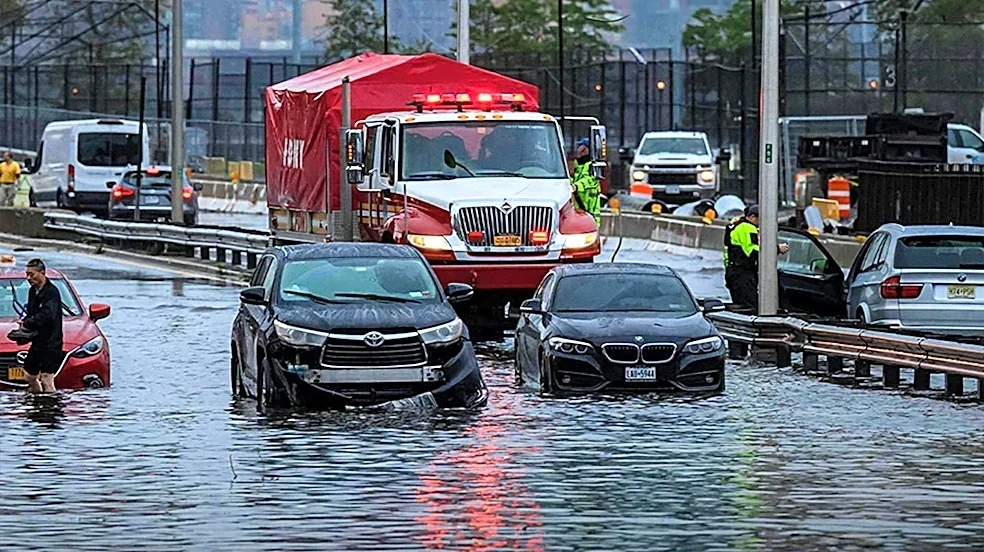
where numerous New Yorkers voiced strong opposition to the casino project, characterizing it as a 'land grab' with potential negative public health and environmental consequences for the surrounding community. The proposed $8 billion casino, spearheaded by New York Mets owner Steve Cohen, is planned for a 78-acre site adjacent to CitiField. Critics, including the Queens Anti-Casino group, allege that political support for the project has been influenced by significant donations from Cohen and his foundation to Queens political candidates and non-profits. Concerns were also raised about the project's impact on flooding in Flushing Meadows Corona Park and the social implications of a casino near a public park.
Why It's Important?
This delay highlights significant public and regulatory scrutiny over large-scale development projects in New York City, particularly those involving gambling and located near public spaces. The opposition underscores a broader debate about the balance between economic development, environmental protection, and community well-being. The allegations of 'pay-to-play' politics, where financial contributions are perceived to influence political support, raise questions about transparency and ethical considerations in urban planning and development. The project's potential environmental impact, specifically concerning stormwater infrastructure and flooding in a vulnerable area like Flushing Meadows Corona Park, is a critical concern given increasing climate change impacts. Furthermore, the social implications of introducing a casino next to a public park, potentially normalizing gambling for future generations, reflect a clash of values within the community.
What's Next?
The Metropolitan Park Casino developers, Queens Future LLC, must now provide the NYC Public Design Commission with additional details on the project's stormwater plan before the design can be reconsidered for approval. Concurrently, the developers are facing a lawsuit from Queens residents who claim that the public engagement process for the project deliberately excluded dissenting voices and violated New York State's Article 78 civil law. Anti-casino activists are also demanding a 'meaningful public review' that is accessible to working-class residents and a new environmental impact study addressing coastal resiliency and worsening flooding. The outcome of these ongoing legal and regulatory challenges will determine the future of the Metropolitan Park Casino project and could set precedents for similar large-scale developments in New York City.
Beyond the Headlines
The controversy surrounding the Metropolitan Park Casino project extends beyond immediate design and environmental concerns, touching upon deeper ethical and political dimensions. The 'pay-to-play' accusations, where significant financial contributions from the developer are linked to political support, raise fundamental questions about the integrity of the democratic process and the influence of money in local politics. The project also highlights the tension between economic growth, often promised by large developments like casinos, and the preservation of community character, public health, and environmental resources. The involvement of politicians known for progressive activism, who have either supported the project or taken roles with the developers, further complicates the narrative, suggesting that economic incentives can sometimes override ideological stances. This situation could trigger broader discussions about campaign finance reform and the ethical responsibilities of public officials in development decisions.