




What's Happening?
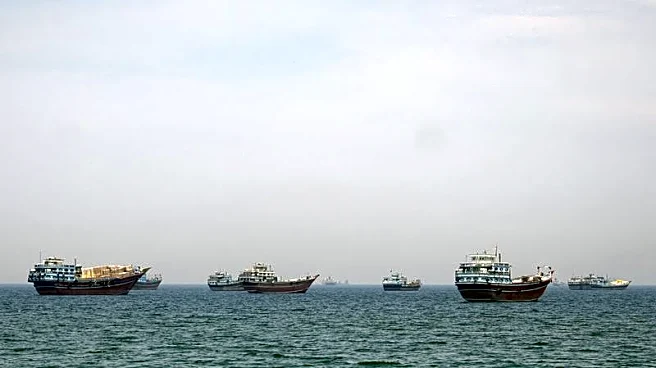
Iran and Oman are in negotiations to establish a system that would allow them to charge ships transiting the Strait of Hormuz, a critical maritime chokepoint. This move comes despite warnings from the United States, which opposes any payment methods in the waterway.
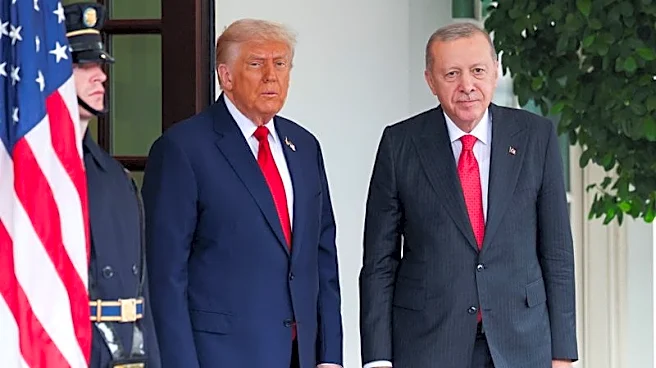
The discussions focus on charging fees rather than tolls, a distinction that could make the project legal under international law. However, the U.S. maintains that such a system would violate international law, as tolls for crossing international waterways are illegal. The U.S. has expressed strong opposition, with President Trump stating that the waterway is international and should remain free of tolls. The situation is further complicated by the recent discovery of mines in the Strait, as reported by U.S. intelligence.
Why It's Important?
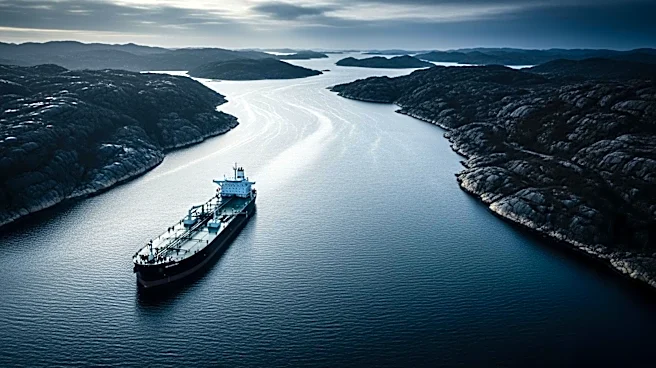
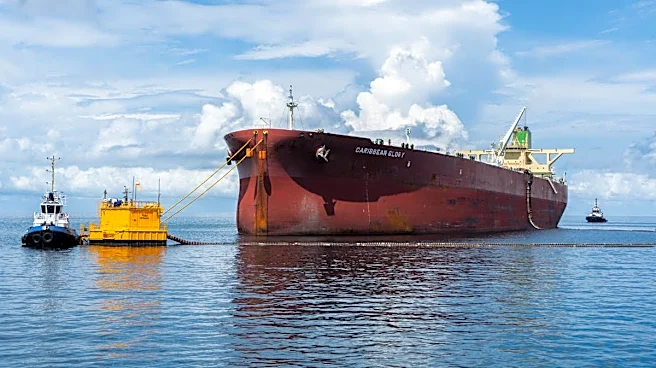
The Strait of Hormuz is a vital passage for global energy supplies, with a significant portion of the world's oil passing through it. The introduction of a toll or fee system could disrupt the free flow of maritime traffic, potentially impacting global energy markets and increasing shipping costs. The U.S. views this as a threat to international trade and navigation rights. If Iran and Oman proceed with their plans, it could lead to heightened tensions in the region and complicate diplomatic relations. The situation underscores the strategic importance of the Strait and the geopolitical dynamics at play, with potential implications for global energy security and international law.
What's Next?
The U.S. is likely to continue diplomatic efforts to dissuade Iran and Oman from implementing the fee system. There may be increased international scrutiny and pressure on both countries to adhere to international maritime laws. The discovery of mines in the Strait could lead to heightened security measures and increased military presence in the region to ensure safe passage for ships. The situation may also prompt discussions at international forums about the governance of critical maritime chokepoints and the enforcement of international law.