








What's Happening?
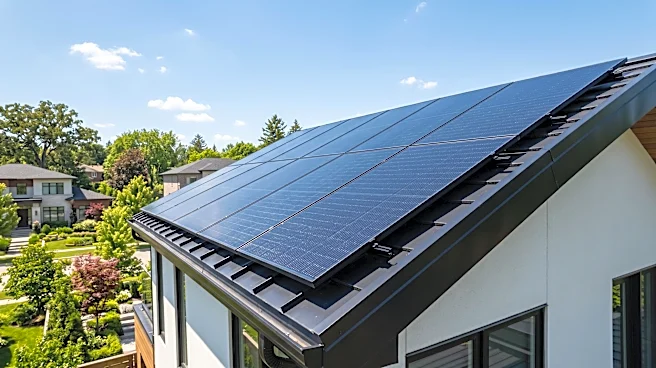
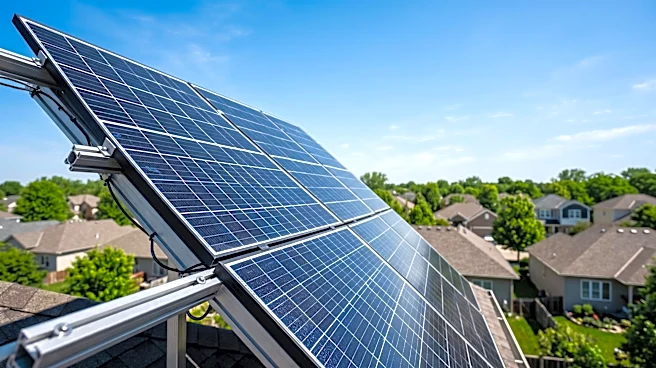
Homeowners in Massachusetts are discovering that solar panels alone do not provide continuous power during grid outages, prompting many to consider battery storage solutions. A Boston-area homeowner, prioritizing family safety during power interruptions,
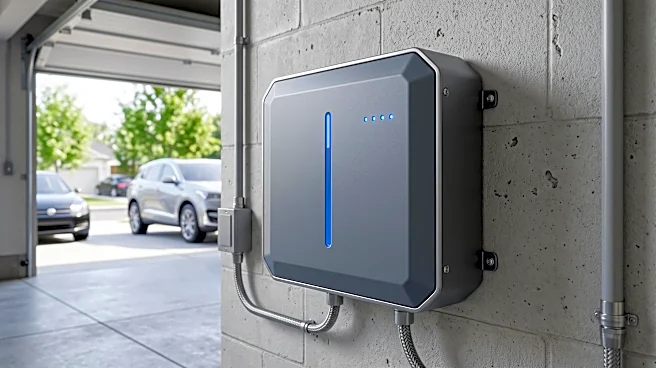
was advised against adding a battery by a solar sales representative who cited National Grid's one-for-one net metering policy. However, experts and other homeowners emphasize that while net metering can offset electricity bills, solar systems without batteries shut down during outages for safety reasons. This has led to discussions among homeowners about the necessity and cost-effectiveness of integrating battery backup systems. Some Massachusetts residents are exploring programs like ConnectedSolutions, which offers payments for sharing stored electricity during peak demand, potentially offsetting the cost of batteries.
Why It's Important?
This situation highlights a critical gap in public understanding and solar energy solutions in the U.S., particularly concerning energy independence and resilience during outages. For many homeowners, the primary motivation for installing solar is not just cost savings but also reliable power. The realization that solar panels alone do not fulfill this need during grid failures can lead to dissatisfaction and hinder broader adoption. The discussion around battery storage and programs like ConnectedSolutions is vital for empowering consumers to make informed decisions that align with their energy goals. It also underscores the evolving role of utilities and state-level incentives in promoting comprehensive renewable energy solutions that include storage, which is essential for grid stability and maximizing the benefits of solar power. The financial implications, with battery additions potentially increasing solar quotes significantly, also present a barrier that needs to be addressed through innovative programs and clearer communication.
What's Next?
As awareness grows regarding the limitations of solar-only systems during outages, there will likely be an increased demand for integrated solar-plus-battery solutions in Massachusetts and other U.S. states. This could drive innovation in battery technology, reduce costs through economies of scale, and lead to more competitive offerings from installers. Utilities and state energy agencies may also expand or introduce new incentive programs, similar to ConnectedSolutions, to encourage battery adoption, recognizing their value for grid resilience and peak demand management. Homeowners will need to carefully evaluate their priorities—whether it's bill savings, outage protection, or both—and seek comprehensive advice from installers who can tailor solutions to their specific needs. Educational initiatives, like those from EnergySage, will become increasingly important in helping consumers navigate the complexities of solar and battery integration.
Beyond the Headlines
The challenge faced by Massachusetts homeowners reflects a broader societal shift towards greater energy independence and resilience in the face of increasing climate-related disruptions and an aging grid infrastructure. The desire for backup power goes beyond mere convenience; it touches upon safety, security, and the ability to maintain essential services during emergencies. This trend could accelerate the decentralization of energy production and storage, moving towards a more distributed and robust energy system. Furthermore, the economic models surrounding solar and battery storage are evolving, with programs that compensate homeowners for contributing to grid stability (like virtual power plants) becoming more prevalent. This not only incentivizes battery adoption but also transforms individual homeowners into active participants in the energy market, potentially leading to a more dynamic and responsive national energy landscape.