
What's Happening?
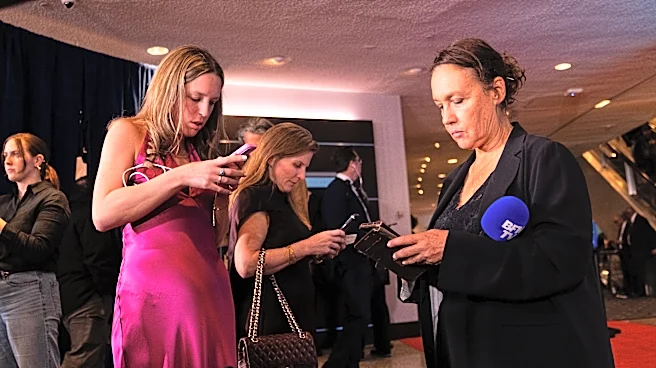
During the White House Correspondents' Dinner attended by President Trump, a shooting incident occurred, prompting immediate coverage by numerous journalists present at the event. Despite the rapid dissemination
of factual information by reputable media outlets, conspiracy theories quickly emerged online. These theories ranged from claims that the shooting was staged to distract from other political issues, to unfounded allegations involving foreign governments. The spread of these theories highlights a growing distrust in institutions and a tendency for individuals to create narratives that fit their beliefs, even when faced with an abundance of factual information.
Why It's Important?
The proliferation of conspiracy theories following the shooting at a high-profile event underscores the challenges faced by media and public institutions in maintaining trust and credibility. This incident illustrates how misinformation can thrive even in environments where accurate information is readily available. The situation reflects broader societal issues, such as the polarization of public opinion and the appeal of conspiracy theories as a means of making sense of complex events. The impact of such misinformation can be significant, influencing public perception and potentially affecting political and social discourse.
What's Next?
In the wake of the shooting and the subsequent spread of conspiracy theories, there may be increased scrutiny on how information is disseminated and consumed. Media organizations and public officials might need to explore new strategies to combat misinformation and restore public trust. This could involve enhancing transparency, improving fact-checking processes, and engaging with audiences to address their concerns. Additionally, there may be calls for social media platforms to take more proactive measures in curbing the spread of false information.
Beyond the Headlines
The incident at the White House Correspondents' Dinner highlights the complex relationship between media, public perception, and conspiracy theories. It raises questions about the role of journalism in an era where misinformation can spread rapidly and widely. The event also points to the need for a deeper understanding of why conspiracy theories resonate with certain segments of the population and how they can be effectively countered. This situation may prompt discussions about the ethical responsibilities of media outlets and the importance of media literacy in society.