







What's Happening?
The United Nations Food and Agriculture Organization (FAO) announced that world food prices experienced a slight dip in October, with its Food Price Index averaging 133.9 points, down from a revised 135.6 in September. This decline was primarily driven
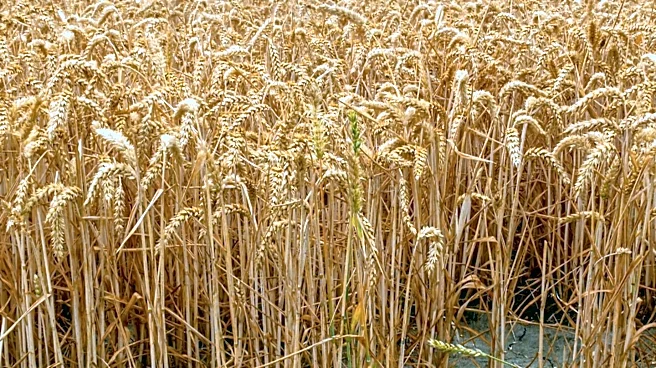
by weaker import demand, which contributed to monthly reductions in cereal, dairy, and meat prices. Specifically, the FAO's cereal price index fell by 4.5% from September and was 12.6% lower than a year ago, with wheat and maize quotations declining due to weak import demand and improved production prospects, particularly in Argentina. Expectations of easing constraints on Black Sea export flows also contributed to the downward pressure on prices, despite continued disruptions. However, despite the monthly decrease, the overall index remained 5.9% higher than a year earlier, though it was 16.4% below its March 2022 peak. Sugar prices, conversely, rose by 6.6%, marking their fourth consecutive monthly increase and reaching their highest level since December 2024, largely due to rainfall disrupting harvesting in Brazil.
Why It's Important?
This mixed report from the FAO has varied implications for the U.S. economy and its consumers. The slight monthly dip in overall food prices, particularly for cereals, could offer some relief to U.S. consumers who have faced rising grocery costs. Lower cereal prices might also benefit U.S. food manufacturers and processors by reducing their input costs. However, the fact that prices remain nearly 6% higher than a year ago indicates that inflationary pressures in the food sector are still significant. The rise in sugar prices, driven by weather events in Brazil, highlights the global interconnectedness of commodity markets and how localized issues can impact U.S. industries and consumers. For U.S. farmers, the decline in cereal prices could affect their income, while improved production prospects in other regions, like Argentina, could increase global competition. This situation underscores the ongoing volatility in global food markets, influenced by a complex interplay of supply, demand, geopolitical events, and weather patterns.
What's Next?
The FAO's report suggests a dynamic and somewhat unpredictable future for food prices. While the monthly dip offers a glimmer of hope for easing inflationary pressures, the year-on-year increase and specific commodity surges like sugar indicate continued volatility. U.S. consumers should remain prepared for fluctuating food costs. Policymakers and agricultural businesses in the U.S. will likely continue to monitor global supply chain stability, weather patterns, and geopolitical developments, particularly concerning the Black Sea region. The ongoing disruptions there, despite expectations of easing, suggest that full recovery and stabilization of food export flows may still be some time away. Businesses may need to maintain flexible sourcing strategies to adapt to these changing market conditions, while consumers might see continued price adjustments across different food categories.
Beyond the Headlines
The FAO's report, while detailing monthly and annual price changes, points to deeper systemic issues affecting global food security. The persistent disruptions in the Black Sea region underscore the vulnerability of critical food corridors to geopolitical conflicts, highlighting the need for more resilient and diversified global trade routes. The impact of weather events, such as rainfall in Brazil affecting sugar harvests, emphasizes the growing influence of climate change on agricultural output and commodity prices worldwide. This situation could accelerate discussions within the U.S. and internationally about investing in climate-resilient agriculture, developing early warning systems for weather-related crop failures, and fostering international cooperation to stabilize food markets. It also brings to the forefront the ethical considerations of food distribution and affordability in a world grappling with both surplus and scarcity.