







What's Happening?
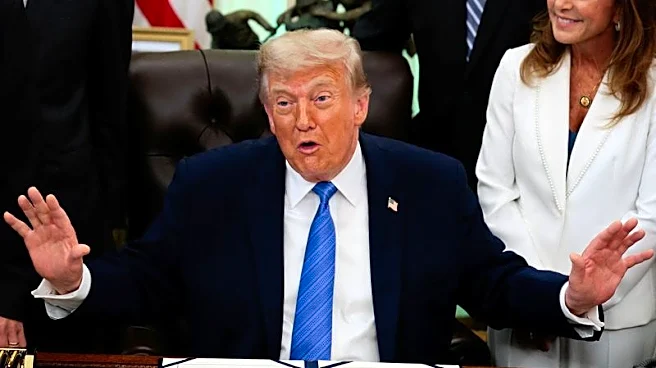
President Donald Trump has faced criticism as new data reveals that inflation-adjusted wages for most workers have only risen by 0.1% since his return to office in January 2025. Despite the administration's claims of economic success, the rapid rise in inflation,
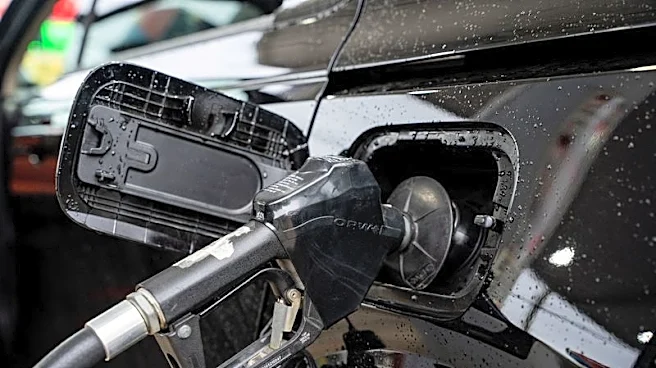
driven by energy prices amid the Iran war, has effectively nullified wage gains. The national average price for regular gas has climbed significantly, contributing to the overall increase in the cost of living. This economic situation has led to a decline in public approval of Trump's handling of the economy.
Why It's Important?
The economic challenges highlighted by the inflation data are significant for the Trump administration, as they undermine the narrative of economic strength that has been a cornerstone of Trump's political messaging. The rising cost of living and stagnant real wages could have political ramifications, particularly as the administration seeks to maintain control in upcoming elections. The situation also reflects broader economic vulnerabilities, as geopolitical tensions continue to impact global oil markets and, consequently, domestic economic conditions.
What's Next?
The administration may need to address public concerns about the economy more directly, potentially through policy measures aimed at stabilizing prices and supporting wage growth. The ongoing conflict with Iran and its impact on energy prices will likely remain a focal point for both economic and foreign policy discussions. Additionally, the administration's response to these challenges could influence public perception and political outcomes in the near future.