



What's Happening?
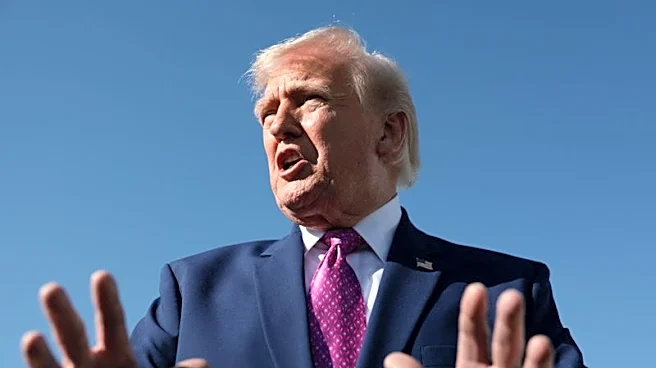
The U.S. Central Command (CENTCOM) has announced the enforcement of a maritime blockade on Iranian ports starting Monday, following President Trump's directive after the collapse of peace talks with Tehran. The blockade will be impartially enforced against
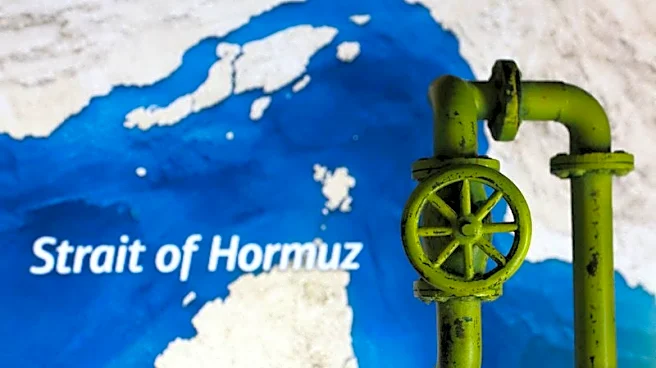
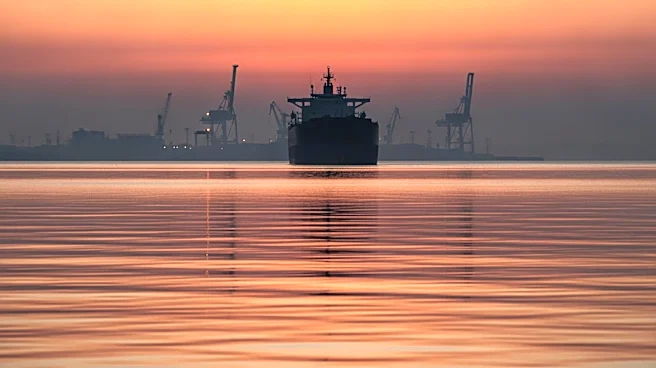
vessels of all nations entering or departing Iranian ports and coastal areas, including those on the Arabian Gulf and Gulf of Oman. Commercial vessels traveling to non-Iranian destinations through the Strait of Hormuz will be allowed to pass unimpeded. The enforcement of the blockade has led to rising oil prices.
Why It's Important?
The Strait of Hormuz is a critical chokepoint for global energy markets, with a significant share of the world's oil and liquefied natural gas shipments passing through the narrow waterway. Any disruption has the potential to send energy prices sharply higher and destabilize already volatile global markets. By stating that U.S. forces will not impede freedom of navigation for vessels transiting the Strait of Hormuz to and from non-Iranian ports, CENTCOM signaled that the blockade is designed to apply pressure on Tehran without triggering a broader commercial shipping crisis or cutting off traffic between third countries.