



What's Happening?
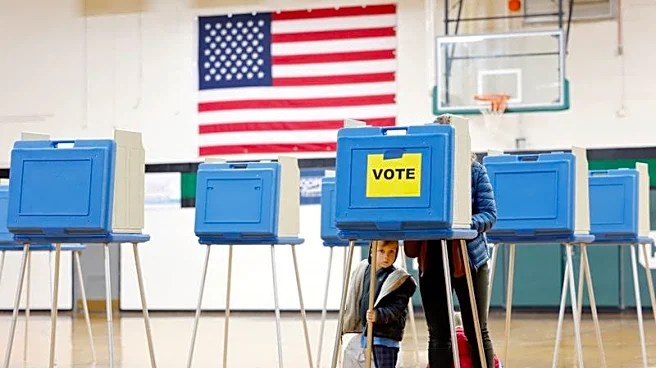
The Trump administration has charged 70 individuals with illegal voting in federal elections, primarily noncitizens, as part of an ongoing operation. Acting Deputy Attorney General Trent McCotter announced these charges, which include cases like Khalwinder
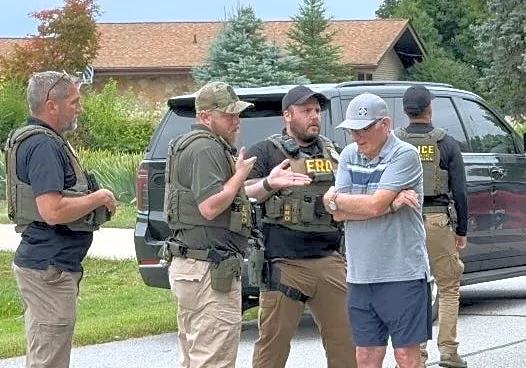
Singh Bhengura, a 69-year-old Indian immigrant and green card holder accused of voting in the 2024 presidential election. The accused individuals come from at least 18 different countries and reside across the U.S., with about half of the cases originating from Texas and New Jersey. An examination of these cases by Votebeat found no evidence of organized efforts to manipulate the American electoral system. Many of those charged are legal residents who were on the path to U.S. citizenship and, according to experts, may have voted due to confusion regarding their eligibility. The charges also include a few American citizens accused of voter fraud, such as voting in multiple states or signing voter registration forms for others.
Why It's Important?
This initiative by the Trump administration highlights a significant focus on prosecuting noncitizen voting, a practice that research indicates is exceptionally rare. Critics, including former U.S. Attorney Carol Lam, question the prioritization of these cases, arguing that the justice system should not be used to 'terrorize people' or leverage deportation for individuals who may have voted based on misinformation. The emphasis on these cases, despite the lack of evidence of widespread organized fraud, diverts resources that could be used to address more pressing issues or to increase voter participation among U.S. citizens. The legal proceedings against green card holders, who often face deportation as a consequence, raise concerns about the fairness and intent behind these prosecutions, particularly when the individuals may have been unaware of their ineligibility to vote.
What's Next?
The legal proceedings for the 70 individuals charged by the Trump administration will continue, with potential outcomes ranging from deportation for green card holders to other penalties for those found guilty of illegal voting. The cases will likely continue to draw scrutiny from legal experts and civil rights advocates who question the administration's enforcement priorities and the potential impact on immigrant communities. The ongoing debate surrounding voter ID laws and election integrity, particularly concerning noncitizen voting, is expected to persist. Future administrations may re-evaluate the allocation of resources and the approach to prosecuting such cases, potentially shifting focus back to broader issues of voter access and participation rather than isolated incidents of alleged noncitizen voting.
Beyond the Headlines
The Trump administration's aggressive pursuit of noncitizen voting cases, despite the absence of evidence of widespread fraud, carries deeper implications for the perception of election integrity and the treatment of immigrants in the U.S. It fuels a narrative that voter fraud is a significant threat, potentially undermining public confidence in democratic processes. The focus on individual noncitizen voters, many of whom are legal residents, raises ethical questions about the government's role in prosecuting individuals who may have acted out of confusion rather than malicious intent. This approach could also contribute to a climate of fear within immigrant communities, potentially discouraging participation in civic life even among eligible citizens, and diverting attention from systemic issues that might genuinely impact election fairness or voter access.