
What's Happening?
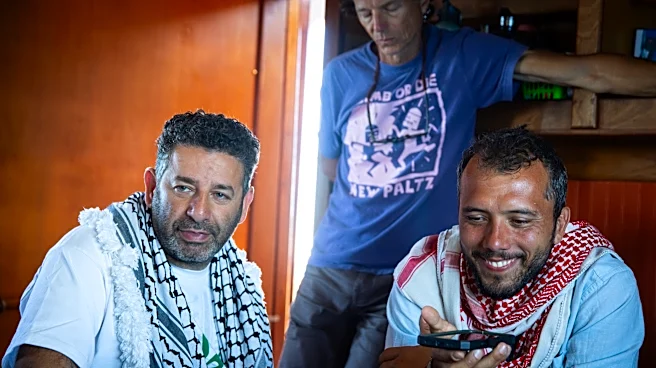
Spain's Foreign Minister, José Manuel Albares, has called for the immediate release of Saif Abukeshek, a Spanish-Swedish activist detained by Israel. Abukeshek was part of an aid flotilla intercepted by the Israeli
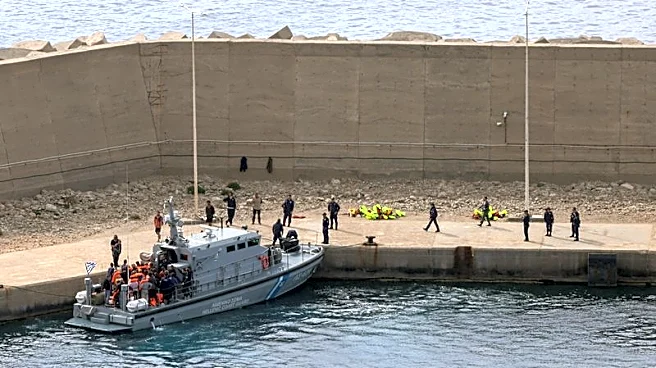
navy in international waters while attempting to break the maritime blockade of Gaza. Alongside Brazilian activist Thiago Ávila, Abukeshek has reportedly begun a hunger strike in protest of their detention. The Legal Center for Arab Minority Rights in Israel, known as Adalah, claims the activists have been subjected to isolation, blindfolding, and physical beatings, which they argue violates international law. The Israeli Foreign Ministry has stated that the activists are being questioned for potential links to Hamas and have been granted consular visits. This incident has further strained relations between Israel and Spain, which recognized Palestinian statehood in 2024.
Why It's Important?
The detention of foreign activists by Israel has significant diplomatic implications, particularly for Spain, which has been vocal in its criticism of the conflict in Gaza. The situation highlights ongoing tensions between Israel and countries that have recognized Palestinian statehood. Spain's demand for the release of its citizen underscores the broader international debate over the legality of Israel's maritime blockade of Gaza and the treatment of activists attempting to deliver humanitarian aid. The incident may influence Spain's foreign policy and its relations with Israel, potentially affecting diplomatic and economic ties. Additionally, the activists' hunger strike draws attention to human rights concerns and the treatment of detainees, which could prompt international scrutiny and calls for accountability.
What's Next?
Spain is likely to continue diplomatic efforts to secure the release of Saif Abukeshek, potentially escalating the issue to international forums. The Spanish government may seek support from other nations critical of Israel's policies in Gaza. Meanwhile, Israel may face increased pressure to justify its actions and address allegations of human rights violations. The situation could lead to further diplomatic exchanges between Spain and Israel, with potential implications for bilateral relations. The activists' hunger strike may attract media attention and advocacy from human rights organizations, increasing public awareness and potentially influencing international opinion on the blockade and humanitarian efforts in Gaza.
Beyond the Headlines
The detention of activists in international waters raises questions about the jurisdiction and legality of such actions, potentially setting a precedent for future maritime interventions. The incident highlights the complex interplay between international law, human rights, and national security concerns. It also underscores the challenges faced by humanitarian organizations in delivering aid to conflict zones, where political and military obstacles can impede their efforts. The situation may prompt discussions on the role of international bodies in mediating conflicts and ensuring the protection of activists and aid workers.