



What's Happening?
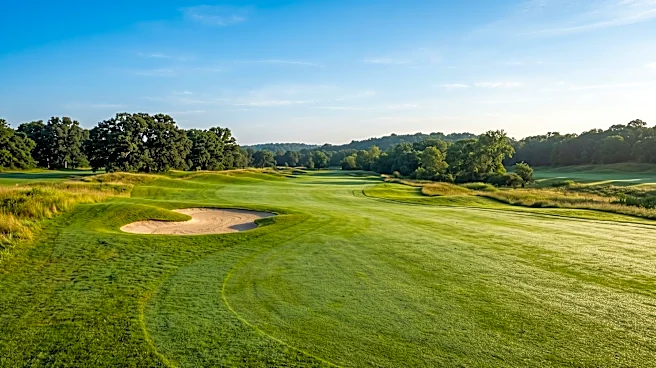
The Austin City Council is currently considering a deal that would allow the city to own the Lions Municipal Golf Course, known as Muny, for the first time. The city has leased the land from the University of Texas at Austin for decades. Under the proposed
agreement, UT would transfer ownership of the golf course to the city in exchange for a large, undisclosed anonymous donation to the university. The West Austin Youth Association would also gain ownership of the land it currently operates on. However, UT would retain ownership of nearly 200 acres surrounding Muny, known as the Brackenridge tract, which includes offices for the Lower Colorado River Authority, UT’s Brackenridge Field Laboratory, and student family housing. Austin Mayor Kirk Watson stated that the city plans to update the development agreement for the Brackenridge tract to include enhanced environmental regulations. Over 100 people spoke before the council, with many advocating for the preservation of the property as it is, emphasizing Muny's historical significance and its role as a community green space.
Why It's Important?
This decision holds significant implications for Austin's urban landscape, environmental preservation, and historical heritage. Muny Golf Course is not only a recreational site but also a historically significant location, being the first public golf course in the South to desegregate in 1950. Its preservation as green space is crucial for urban biodiversity and resident quality of life. The future of the Brackenridge Field Laboratory, an 82-acre urban research lab, is also a major concern. Its potential development by UT could lead to the loss of valuable academic research facilities and natural habitats, undermining the original intent of the land's donation to the university for educational purposes. The council's decision will shape how a substantial portion of West Austin is developed or preserved, impacting environmental regulations, community access to green spaces, and the balance between urban development and ecological conservation.
What's Next?
The Austin City Council is scheduled to make a decision on the deal and proposed changes to the development agreement on December 3. Concurrently, the UT System Board of Regents must also approve the deal for it to be finalized. If approved, the city will gain control of the Muny Golf Course, while the future of the Brackenridge tract remains a point of contention. UT officials have indicated that while there are no immediate development plans for the Brackenridge land, future development is possible, and the size and scale of the Brackenridge Lab may change over time. Community groups and environmental advocates are expected to continue lobbying for stronger protections for the Brackenridge tract, particularly the research lab. The council's recommendations regarding the university's use of its retained land will be crucial, though the city's ability to dictate UT's land use for university purposes is limited.
Beyond the Headlines
This situation highlights the ongoing tension in rapidly growing urban areas between development pressures and the preservation of green spaces, historical sites, and scientific research facilities. The anonymous donation aspect of the deal raises questions about transparency in public-private partnerships and the influence of private funding on public land decisions. Furthermore, the debate over the Brackenridge Field Laboratory underscores the vulnerability of urban research facilities to development, even when they serve critical educational and scientific functions. The outcome in Austin could set a precedent for how cities negotiate with large institutions like universities regarding land use, especially when historical and environmental values are at stake. It also reflects a broader societal discussion about the value placed on natural spaces and historical landmarks in the face of economic expansion and urban densification.