
What's Happening?
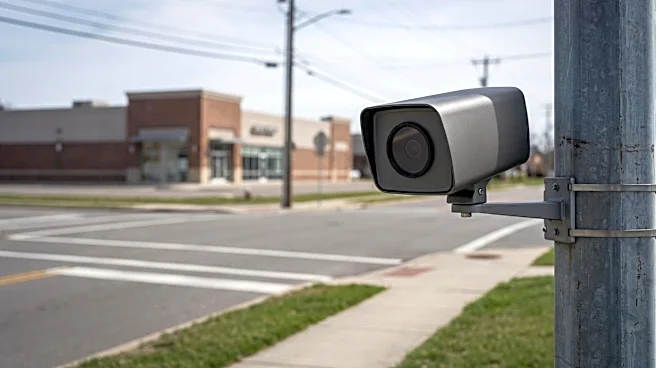
The Lee's Summit Police Department has announced a temporary halt to sharing its automatic license plate reader (ALPR) camera data, commonly known as Flock camera data, with other law enforcement agencies
and jurisdictions. This decision comes in response to significant community outcry and privacy concerns raised by residents in Lee's Summit and other Kansas City-area cities. The pause will remain in effect until a formal memorandum of understanding (MOU) is drafted and signed by any external law enforcement agencies wishing to access the data. Sgt. Chris Depue indicated that this policy change was a direct result of ongoing concerns and a commitment to departmental standards. The development follows similar actions in other Missouri and Kansas communities, such as Parkville, Gardner, and Wellsville, which have terminated their contracts with Flock. Missouri Governor Mike Kehoe also recently signed an executive order imposing stricter regulations on the use of AI cameras, including mandates for data deletion within 30 days, prohibitions on selling or sharing Missouri data by vendors, and limitations on ALPR technology to criminal justice and lifesaving purposes, explicitly disallowing AI facial recognition.
Why It's Important?
This decision by the Lee's Summit Police Department is a significant development in the ongoing national debate surrounding privacy, surveillance technology, and law enforcement practices. It reflects a growing public demand for greater transparency and accountability in the use of ALPR systems. The pause in data sharing, coupled with Governor Kehoe's executive order, sets a precedent for how communities and state governments are responding to concerns about potential misuse of such technology. For civil liberties advocates, this represents a victory in safeguarding individual privacy rights. For law enforcement, it necessitates a re-evaluation of data-sharing protocols and a more deliberate approach to implementing surveillance tools, ensuring they align with community expectations and legal frameworks. The broader implications include potential shifts in how police departments across the U.S. adopt and manage advanced surveillance technologies, emphasizing the need for clear policies and public consent.
What's Next?
The Lee's Summit Police Department will now focus on drafting a comprehensive memorandum of understanding (MOU) that will govern any future data sharing with other law enforcement agencies. Sgt. Chris Depue estimates that this process could take up to six months. During this period, no Flock camera data from Lee's Summit will be shared externally. The development of this MOU will likely involve input from legal experts, community representatives, and potentially other stakeholders to ensure it addresses privacy concerns while still allowing for effective law enforcement. Meanwhile, other jurisdictions in Missouri and Kansas may continue to review their own contracts and policies regarding ALPR technology in light of the community feedback and Governor Kehoe's executive order, potentially leading to further policy changes across the region.
Beyond the Headlines
The controversy surrounding Flock cameras in Lee's Summit and other communities highlights a fundamental tension between public safety and individual privacy in the digital age. The rapid proliferation of surveillance technologies, while offering potential benefits for crime prevention and investigation, also raises profound ethical and legal questions about data collection, retention, and sharing. The community's successful advocacy in prompting a policy change underscores the power of civic engagement in shaping technological governance. This situation could serve as a model for other U.S. cities grappling with similar issues, encouraging a more cautious and transparent approach to adopting and deploying advanced surveillance tools. The explicit prohibition of AI facial recognition in Governor Kehoe's order further signals a growing recognition of the need to establish clear boundaries for how these powerful technologies are used to prevent potential abuses and protect civil liberties.