


What's Happening?
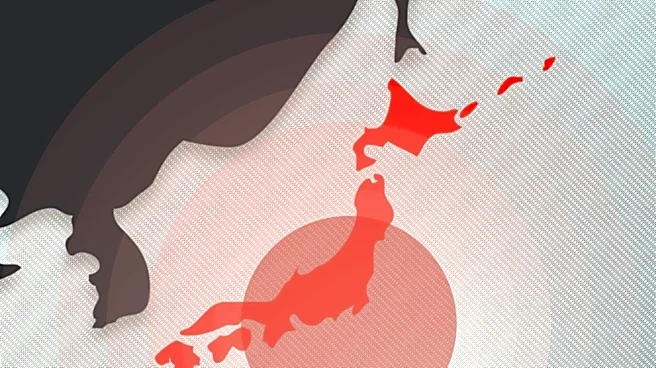
Japan has announced that Southeast Asian nations will be able to utilize its crude oil storage facilities as part of an initiative to bolster regional energy security. This offer, made under Japan’s POWERR Asia initiative, was revealed by Japanese Prime
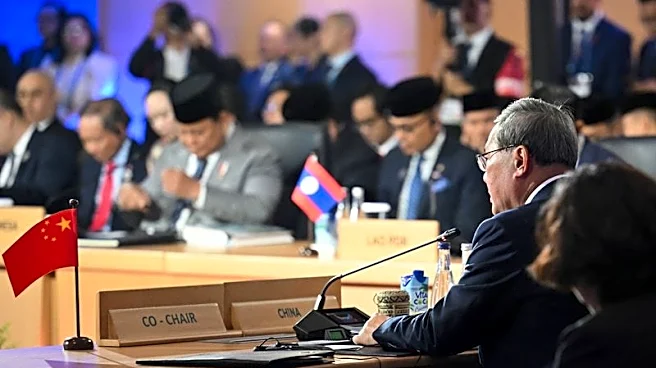
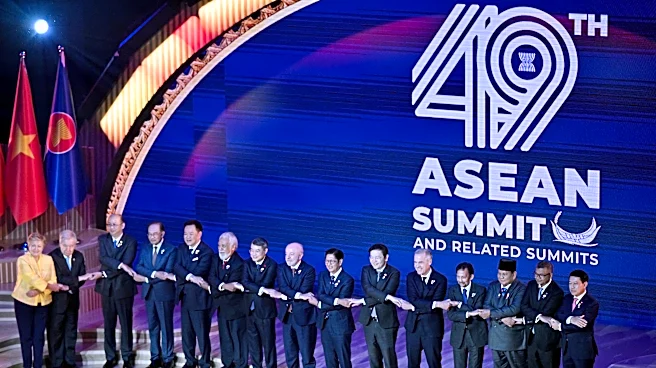
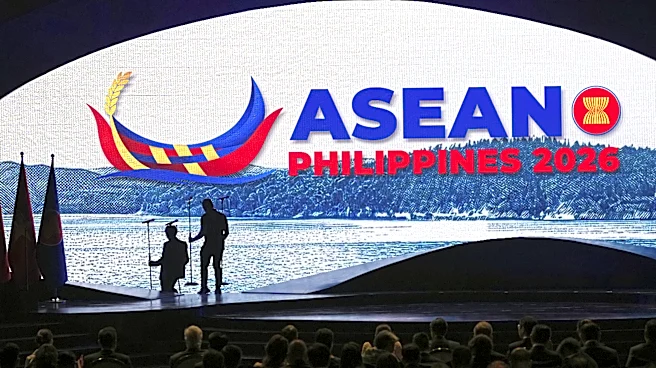
Minister Sanae Takaichi during the Association of Southeast Asian Nations (ASEAN) summit in Manila. The move comes as ASEAN members face fuel shortages and rising prices, exacerbated by disruptions to crude oil flow from the Middle East due to ongoing conflict. Japanese Foreign Ministry press secretary Toshihiro Kitamura confirmed that Japan's unused crude oil stockpiling facilities would be available for other countries to store their oil, creating a "joint stockpiling system" for crisis preparedness. Japan currently holds 254 days' worth of oil reserves, significantly more than some ASEAN countries which had less than a month's supply when the Middle East conflict began in February.
Why It's Important?
This initiative is crucial for enhancing energy security in Southeast Asia, a region heavily reliant on oil imports and vulnerable to global supply chain disruptions. By offering its unused storage capacity, Japan is providing a tangible solution to mitigate the impact of future energy crises, such as those caused by geopolitical conflicts or natural disasters. This cooperation strengthens Japan's diplomatic ties with ASEAN nations and positions it as a key partner in regional stability. For the U.S., a stable and energy-secure Southeast Asia is vital for economic interests and geopolitical balance in the Indo-Pacific. Reduced energy vulnerability in the region can prevent economic instability that might otherwise require international intervention or lead to broader security challenges. The initiative also promotes a collective approach to resource management, setting a precedent for future regional collaborations on critical infrastructure.
What's Next?
Discussions are ongoing regarding the specific implementation of the joint oil stockpiling system, with an ASEAN-backed study also recommending the use of facilities in Thailand and Indonesia. While a final decision on these additional locations is pending, Japan has expressed its readiness to proceed with utilizing its own facilities. In the long term, Japan plans to assist ASEAN countries in building their own oil storage facilities, further solidifying regional energy resilience. Philippine Energy Secretary Sharon Garin confirmed a memorandum of cooperation with Japan, which includes assistance for developing more oil storage infrastructure. This suggests a phased approach, starting with immediate access to Japanese facilities and progressing towards long-term capacity building within ASEAN nations. The focus will be on formalizing agreements and operationalizing the storage mechanisms.
Beyond the Headlines
Beyond the immediate benefit of energy security, Japan's initiative carries significant strategic implications. By fostering energy interdependence, Japan is subtly countering the influence of other major powers in the region and strengthening its leadership role. This move could also serve as a model for other critical resource collaborations, potentially extending to food security or disaster preparedness. The emphasis on joint stockpiling and capacity building reflects a shift towards collective resilience rather than individual national efforts, which is particularly relevant in an era of increasing global uncertainties. Furthermore, the initiative could stimulate investment in energy infrastructure across Southeast Asia, creating economic opportunities and fostering technological exchange. The long-term goal of helping ASEAN countries build their own facilities suggests a commitment to sustainable development and shared prosperity, reinforcing a multilateral approach to regional challenges.