
What's Happening?
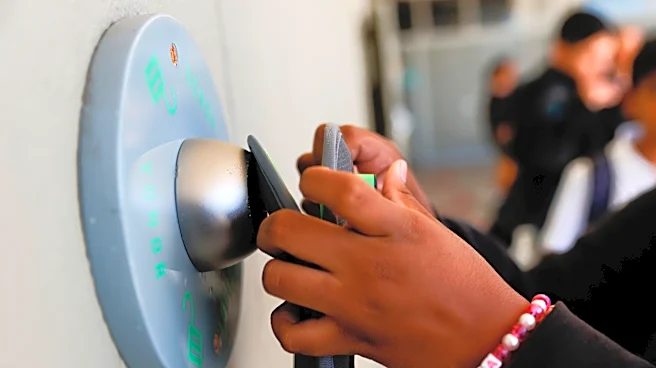
A comprehensive study involving over 40,500 schools has found that banning cell phones during school hours improves student wellness but does not significantly impact academic performance. Conducted by
scholars from four universities, the study observed that phone bans led to a long-term positive effect on students' self-reported well-being. However, the impact on test scores was negligible. The research comes amid ongoing debates in Pennsylvania about implementing a statewide school phone policy. The study also noted a temporary increase in suspensions following the ban, which later stabilized.
Why It's Important?
The findings highlight the complex relationship between technology use and student outcomes. While phone bans can enhance mental wellness, they do not necessarily translate into better academic results. This underscores the need for schools to consider multiple factors when crafting policies on technology use. The study's results could influence legislative decisions in Pennsylvania and potentially other states, as policymakers weigh the benefits of phone restrictions against the need for academic improvement.
What's Next?
Pennsylvania lawmakers are currently debating a 'bell-to-bell' phone ban policy, which would prohibit phone use during school hours. The House Education Committee is reviewing bills with similar language, aiming for implementation by the 2027-28 academic year. The study's findings may inform these discussions, as stakeholders consider the balance between student wellness and academic performance. The policy's exceptions for medical and special education needs will also be a focal point in legislative debates.