
What's Happening?
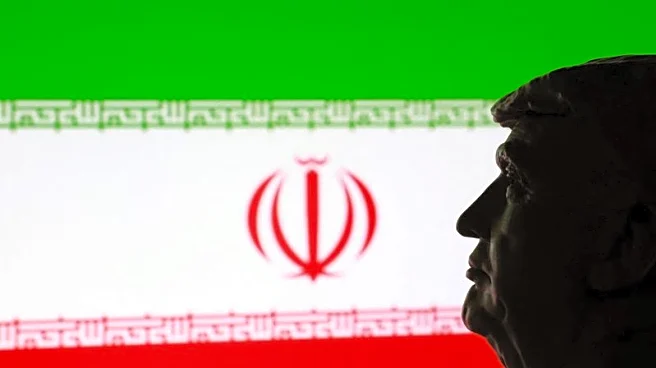
President Trump is evaluating potential military responses as Iran experiences its largest and deadliest protests in years. The Iranian regime's crackdown on nationwide demonstrations has intensified,
prompting the U.S. administration to consider various options, including military intervention. These protests have emerged as a significant challenge to the Iranian government, drawing international attention and concern. The situation in Iran is part of a broader geopolitical context, with implications for U.S. foreign policy and regional stability.
Why It's Important?
The consideration of military action by President Trump in response to the Iranian protests underscores the volatile nature of U.S.-Iran relations. Any military intervention could have far-reaching consequences, potentially escalating tensions in the Middle East and affecting global oil markets. The situation also highlights the challenges faced by the U.S. in balancing support for democratic movements with the risks of military involvement. The outcome of these deliberations could influence U.S. foreign policy and its approach to international conflicts.
What's Next?
As President Trump weighs his options, diplomatic efforts may intensify to address the situation in Iran. The international community, including allies and adversaries, will be closely watching the U.S. response. Potential military action could lead to a range of reactions, from diplomatic condemnations to shifts in alliances. The U.S. Congress may also become involved, debating the merits and risks of military intervention. The unfolding events in Iran will likely remain a focal point of U.S. foreign policy discussions in the coming weeks.