





What's Happening?
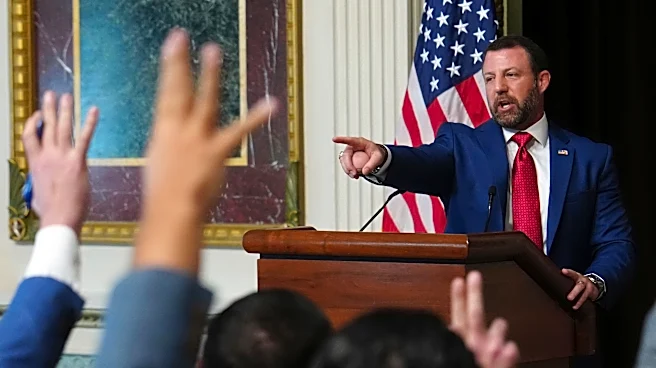
The Department of Homeland Security, under Secretary Markwayne Mullin, has intensified immigration arrests across the United States, following a period of reduced activity after the fatal shootings of two U.S. citizens by federal agents. Immigration and Customs
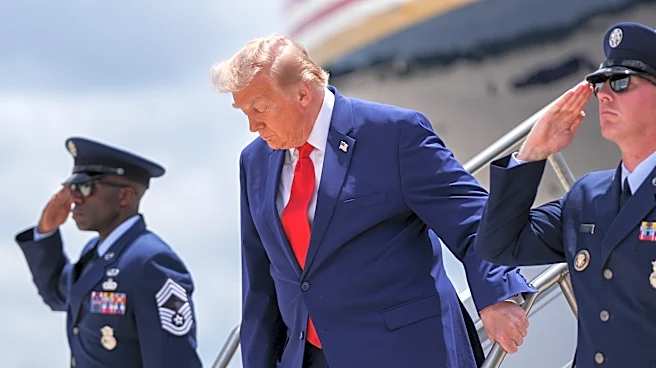
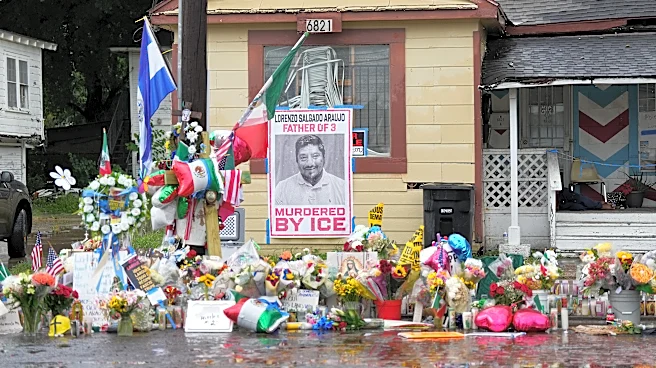
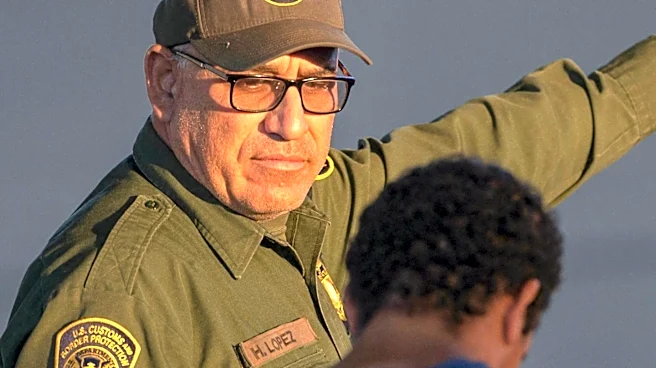
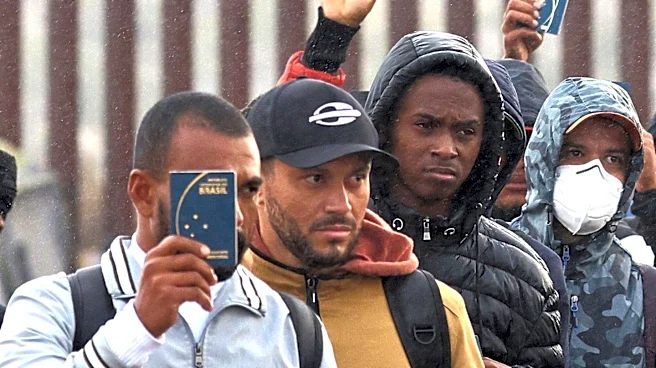
Enforcement (ICE) agents have made over 16,000 arrests in the first 11 days of July, averaging more than 1,400 arrests per day. This increase follows a record-setting month in June, with nearly 40,000 arrests. The recent operations have been more dispersed, avoiding concentrated surges in specific cities, yet have resulted in the deaths of two immigrant men in Houston and Maine. These incidents have sparked renewed criticism of ICE's tactics and President Trump's immigration policies. Despite the increase in arrests, the numbers remain below President Trump's target of over one million deportations annually.
Why It's Important?
The escalation in immigration arrests and the associated controversies highlight the ongoing tensions surrounding U.S. immigration policy. The recent shootings have intensified public scrutiny and criticism from immigrant-rights advocates and Democratic lawmakers, who argue that the arrests are indiscriminate and sometimes based on mistaken identity. The situation has also led to a standoff in Congress over ICE funding. The increase in enforcement actions reflects the administration's commitment to its immigration agenda, but also underscores the challenges and potential human rights concerns associated with such policies. The broader impact includes potential disruptions in communities with significant immigrant populations and heightened fear among undocumented individuals.
What's Next?
The continuation of high-volume arrest operations by ICE is likely, as the agency has increased its workforce following a Republican-backed spending bill. Secretary Mullin has emphasized the importance of maintaining officer safety and removing individuals deemed criminals from the streets. However, the administration may face further legal challenges and public protests, particularly if more incidents of violence occur. The political debate over immigration policy is expected to persist, with potential implications for upcoming elections and legislative priorities.