






What's Happening?
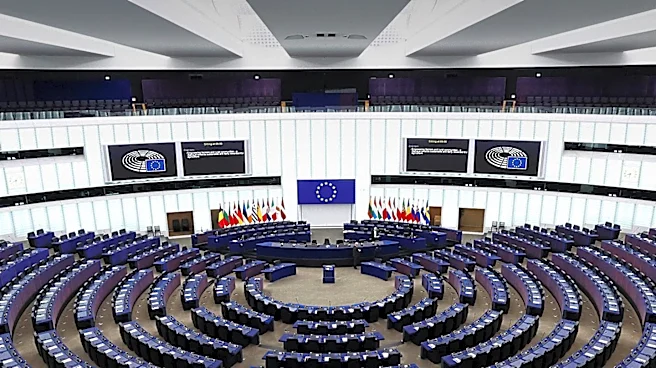
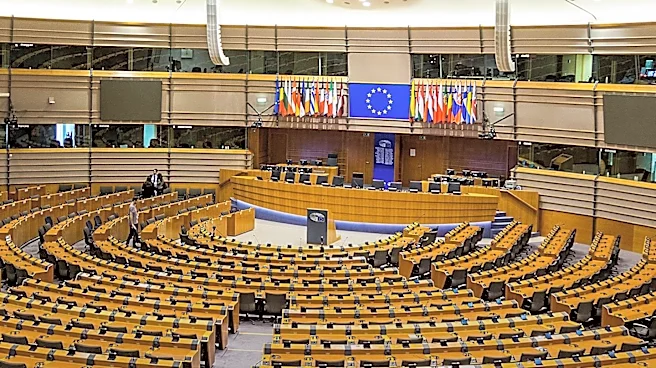
The European Parliament has adopted its position on proposed amendments to the EU Methane Regulation, supporting a three-year delay for certain importer obligations and methane intensity provisions. This decision diverges from the European Commission's
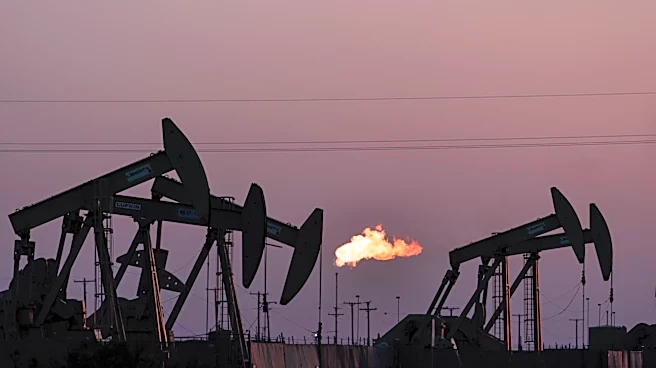
initial proposal for a one-year postponement. The regulation, which came into force on August 4, 2024, aims to reduce methane emissions from the energy sector, including crude oil, natural gas, and coal. Key provisions include mandatory monitoring, reporting, and verification (MRV) requirements, regular leak detection and repair (LDAR) surveys, and bans on routine venting and flaring. Importers of fossil fuels into the EU have been required to provide information on methane emissions since May 5, 2025. Under the original text, importers would need to demonstrate by January 1, 2027, that supply contracts are subject to equivalent MRV measures, and report on methane intensity by August 5, 2028. The Parliament's adopted position pushes the importer MRV deadline to May 31, 2031, and the first methane-intensity reporting to August 5, 2031. Additionally, the Parliament proposes excluding imports from countries subject to EU sanctions restricting fossil fuel imports from this extended timeline.
Why It's Important?
This extended delay by the European Parliament provides significantly more time for importers, producers, and operators to prepare for compliance with the EU Methane Regulation. The original timeline, with obligations starting in early 2027, raised concerns among Member States, third countries, and the oil, gas, and coal sectors regarding implementation challenges, rising costs, and strained energy supply. The postponement aims to alleviate these pressures, allowing national penalty regimes to be completed, accreditation bodies to certify verifiers, and competent authorities to assess compliance solutions. For U.S. exporters and other international suppliers selling into Europe, while the substance of the obligations remains unchanged, the delayed compliance timetable offers a longer window to adapt. However, the Parliament's proposed 'sanctions carve-out' could create a two-tier system, potentially complicating trade for certain regions and requiring separate reporting for volumes from sanctioned countries. This development underscores the EU's commitment to its Green Deal objectives while attempting to balance environmental goals with economic realities and energy security concerns.
What's Next?
The European Parliament is now prepared to begin negotiations with the Council on the final form of the law. Once the Council adopts its own negotiating mandate, interinstitutional negotiations involving the Parliament, the Council, and the Commission will commence. Any provisional agreement reached will then require formal adoption by both co-legislators before its publication in the Official Journal. Given the current importer obligations' application date of January 1, 2027, the co-legislators face a compressed timeframe to reach an agreement and complete the adoption process for the postponement to take effect. The Parliament's position, which extends both the duration and scope of the delay beyond the Commission's initial proposal, is expected to be a central point of discussion during these trilogue negotiations. The Commission will continue to monitor implementation and security of supply during the postponement period, with any issues to be addressed in the Methane Regulation's periodic review, scheduled for January 1, 2028.
Beyond the Headlines
The debate over the EU Methane Regulation's implementation timeline highlights a broader tension between ambitious environmental targets and the practicalities of economic and energy security. The Parliament's decision to push for a longer delay, coupled with the proposed exclusion of sanctioned countries, reflects a complex interplay of geopolitical considerations and internal economic pressures. This move could set a precedent for how other stringent environmental regulations are implemented, potentially leading to more flexible timelines when faced with significant economic or supply chain disruptions. The 'sanctions carve-out' also introduces a new layer of complexity, potentially influencing future trade relationships and energy sourcing strategies for the EU. This situation underscores the ongoing challenge for policymakers to balance climate action with the need for stable energy markets and industrial competitiveness, particularly in a volatile global environment. The outcome of the upcoming negotiations will be closely watched as it could signal the EU's willingness to adapt its green policies in response to evolving global circumstances.