



What's Happening?
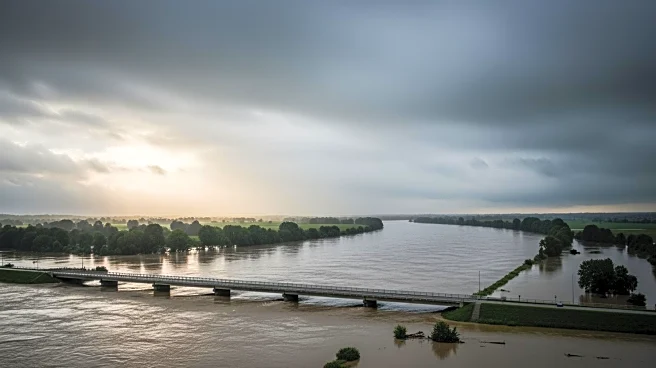
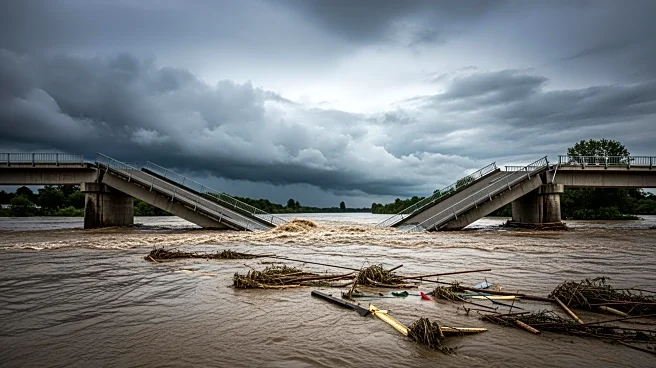
Severe flooding in Portugal has resulted in the evacuation of thousands and the collapse of critical infrastructure, including the main north-south highway near Coimbra. The floods, caused by heavy rainfall and the bursting of riverbanks, have led to
at least 16 deaths and widespread displacement. The crisis has intensified scrutiny of the government's preparedness and response, leading to the resignation of Interior Minister Maria Lúcia Amaral. The political fallout continues as emergency operations are underway, with Prime Minister Luís Montenegro canceling a planned trip to Brussels to address the situation.
Why It's Important?
The floods in Portugal highlight the increasing frequency and severity of extreme weather events, which pose significant challenges to infrastructure and public safety. The government's response to such crises is critical in maintaining public trust and ensuring effective disaster management. The situation also underscores the need for improved infrastructure resilience and emergency preparedness to mitigate the impacts of future natural disasters. The political implications of the government's handling of the crisis could influence future policy decisions and public perception.
What's Next?
As emergency operations continue, the Portuguese government is likely to face ongoing scrutiny and pressure to improve disaster preparedness and response strategies. The situation may prompt a reevaluation of infrastructure resilience and investment in flood prevention measures. Additionally, the political fallout could lead to changes in leadership or policy adjustments to address public concerns. The international community may also offer support and assistance as Portugal navigates the aftermath of the floods.