





What's Happening?
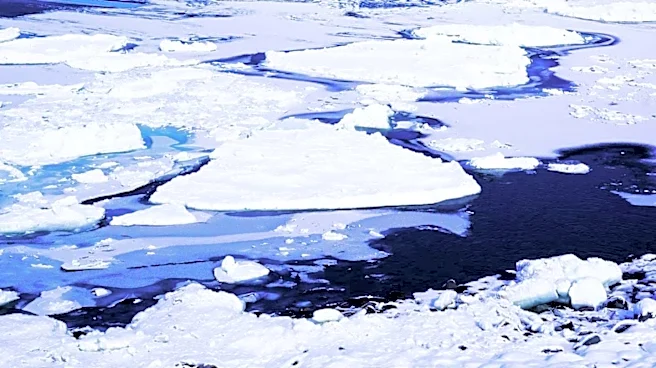
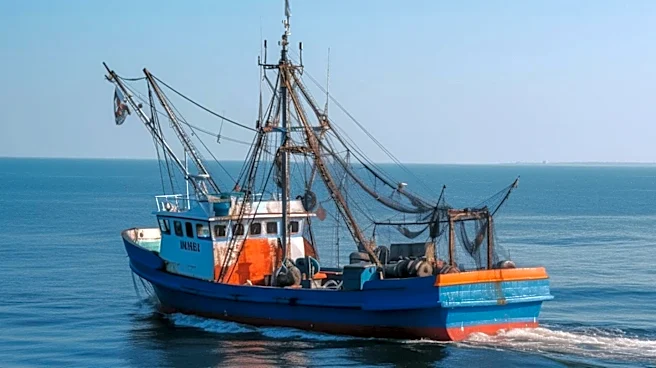
The Antarctic krill fishery is under scrutiny due to record catches that led to an unprecedented early closure of the fishery last season. Despite the Protocol of Environmental Protection to the Antarctic Treaty, which prohibits mineral resource exploitation,
industrial krill fishing continues. Countries like China and Norway are advocating for increased krill harvests, raising concerns about the sustainability of these practices. Conservation efforts are emphasizing the enforcement of fishing quotas to protect Antarctic ecosystems. This involves collaboration among scientists, governments, NGOs, and local communities to ensure fair benefits and knowledge sharing.
Why It's Important?
The sustainability of the Antarctic krill fishery is crucial as krill are a foundational species in the Antarctic ecosystem, serving as a primary food source for many marine animals. Overfishing could disrupt the food chain, affecting species such as whales, seals, and penguins. The push for increased krill harvests by countries like China and Norway highlights the tension between economic interests and environmental conservation. Ensuring sustainable practices is vital for maintaining biodiversity and the health of marine ecosystems, which have broader implications for global environmental stability and food security.
What's Next?
Future actions may include stricter enforcement of fishing quotas and international agreements to regulate krill fishing. Stakeholders, including governments and environmental organizations, are likely to push for more robust conservation measures. There may also be increased scientific research to monitor krill populations and the impact of fishing on the Antarctic ecosystem. The international community could see negotiations to balance economic interests with environmental protection, potentially leading to new policies or amendments to existing treaties.
Beyond the Headlines
The situation underscores the broader challenge of managing natural resources in international waters, where governance is complex and often contentious. The Antarctic Treaty System, while a framework for cooperation, faces challenges in enforcement and adaptation to new environmental pressures. The krill fishery issue may prompt discussions on the need for more comprehensive international environmental governance structures that can effectively address the dual goals of conservation and sustainable use.