


What's Happening?
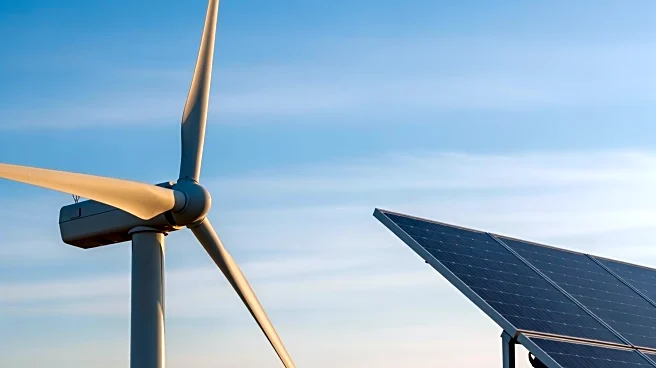
The U.S. energy policy, which took a significant turn against renewable energy on January 20, 2025, is showing signs of failure as renewable energy sources, particularly solar, continue to dominate new capacity additions. Despite federal policy shifts,
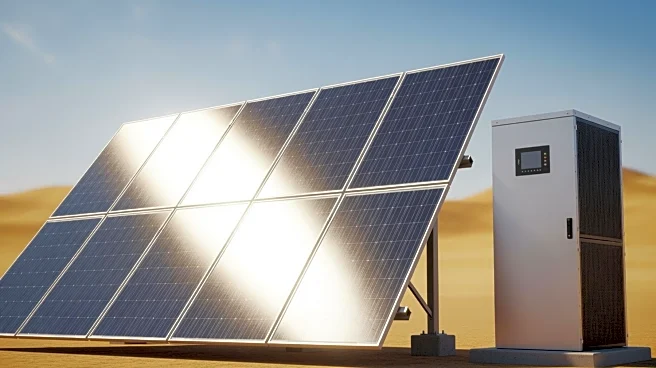
wind and solar have maintained their momentum, with solar accounting for 98% of new U.S. electrical generating capacity in September 2025. The SUN DAY campaign reports that solar has been the largest source of new generating capacity for 25 consecutive months. Additionally, new partnerships, such as the one between WM, the largest waste management firm in the U.S., and Invenergy's Reactivate branch, are facilitating the development of 50 landfill-based solar and storage projects. These projects are part of a broader trend of utilizing brownfield sites for solar energy, which not only generates revenue but also improves public image and provides community benefits.
Why It's Important?
The continued growth of renewable energy, despite federal policy shifts, underscores the resilience and adaptability of the sector. The expansion of solar projects on brownfield sites highlights innovative approaches to overcoming land use challenges and maximizing economic benefits. These projects are expected to provide local ratepayers with savings on electricity bills and support grid resilience. The involvement of major corporations like WM in renewable energy initiatives indicates a shift in corporate strategies towards sustainability. This trend could lead to increased investment in renewable energy infrastructure, job creation, and economic growth in local communities. The focus on community solar projects also ensures that low-income households benefit from these developments, promoting energy equity.
What's Next?
The partnership between WM and Reactivate is set to roll out the first round of landfill-based solar projects by the end of 2027. These projects are expected to enhance local tax revenues and provide workforce training opportunities. Additionally, the U.S. Department of Energy has launched a new initiative to expand geothermal energy, which could further diversify the renewable energy landscape. This initiative aims to set statewide geothermal goals and reduce project costs, potentially leading to increased geothermal capacity across 13 states. As renewable energy continues to grow, stakeholders will likely focus on integrating these sources into the national grid and addressing regulatory barriers.
Beyond the Headlines
The shift towards renewable energy, particularly solar, on brownfield sites represents a significant cultural and economic shift. It reflects a growing recognition of the need for sustainable development and the potential for renewable energy to drive economic revitalization in underutilized areas. The integration of community solar projects into these developments highlights a commitment to social equity and environmental justice. As more companies and communities embrace renewable energy, there may be long-term shifts in public perception and policy, further accelerating the transition to a sustainable energy future.