




What's Happening?
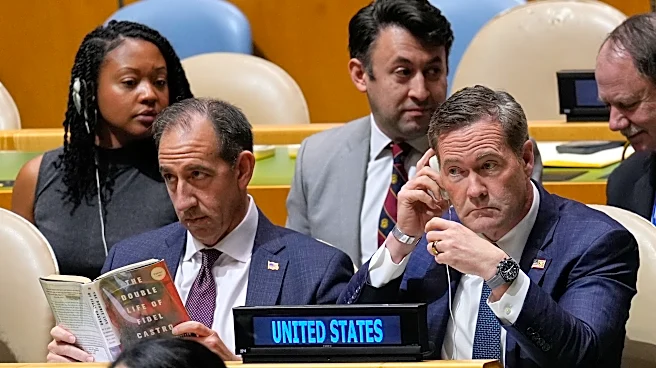
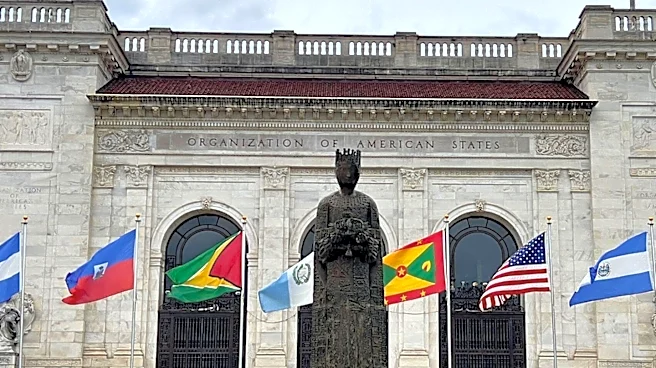
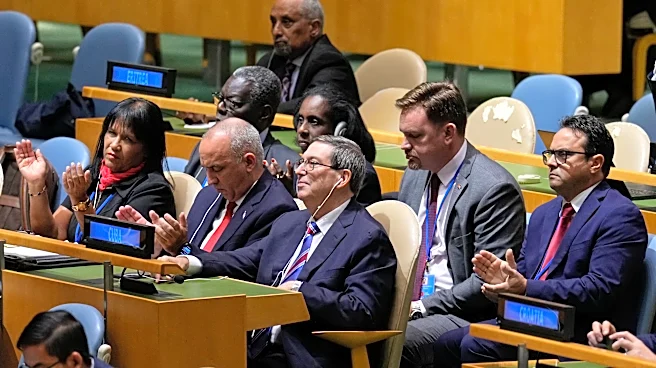
Grenada, a Caribbean island state, is a member of the Organization of American States (OAS) and participated in its 56th General Assembly held in Panama City from June 22 to 24, 2026. This assembly took place amidst heightened regional tensions involving
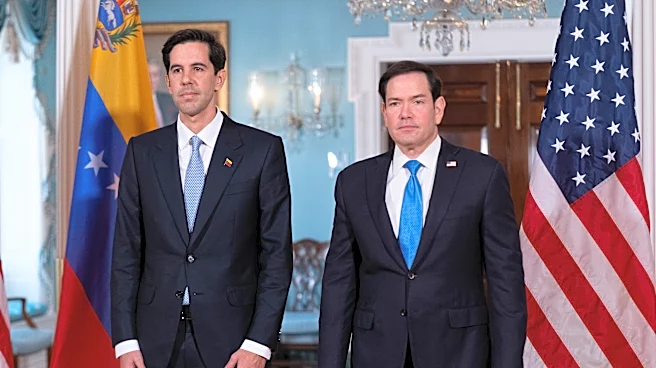
Nicaragua, Bolivia, Cuba, and Venezuela. While Grenada's specific statement from this assembly was not available, its membership in the OAS signifies its engagement in Latin American and Caribbean diplomacy. Grenada also maintains diplomatic relations with Venezuela, with its Prime Minister Dickon Mitchell and Minister for Foreign Affairs Joseph Andall having visited Caracas in April 2025 to sign a cooperation roadmap. Furthermore, Grenada is a member of other regional bodies such as CARICOM and CELAC, a forum of Latin American and Caribbean states.
Why It's Important?
Grenada's active participation in the OAS and other regional forums like CARICOM and CELAC is significant despite its small size. It allows the nation to have a voice and a vote in hemispheric discussions, influencing regional policies and alliances. The context of regional tensions, particularly concerning countries like Venezuela, highlights the complex diplomatic landscape Grenada navigates. Its engagement in these bodies provides a platform for addressing shared challenges, such as economic development, climate change, and security, and for fostering cooperation. For the U.S., understanding Grenada's diplomatic alignments and its role in these organizations is crucial for its own foreign policy in the Caribbean and Latin America, especially given the U.S.'s interest in regional stability and democratic governance.
What's Next?
Grenada is scheduled to hold elections on November 5, 2026, which could potentially lead to shifts in its foreign policy and diplomatic priorities. The outcome of these elections will determine who holds the foreign affairs portfolio and could influence Grenada's stance within the OAS and other regional bodies. Continued engagement in these forums will likely focus on addressing ongoing regional tensions and pursuing cooperative initiatives. The country's economic stability, driven by tourism and facing risks from natural disasters and disruptions to its Citizenship by Investment program, will also shape its diplomatic agenda. Monitoring Grenada's post-election foreign policy and its contributions to regional dialogues will be key to understanding future developments in the Caribbean and Latin America.
Beyond the Headlines
Grenada's diplomatic strategy of spreading its partnerships widely, including with Venezuela, Cuba, China, and the United States, reflects a pragmatic approach for a small island nation seeking to maximize its influence and secure its interests. This multi-alignment strategy allows Grenada to access diverse sources of aid, investment, and political support, rather than relying on a single bloc. The ongoing regional tensions underscore the delicate balance small states must maintain in a complex geopolitical environment. This situation also highlights the broader trend of increasing engagement by non-traditional powers like China in the Caribbean, which can reshape traditional alliances and influence regional dynamics. The ability of small states to navigate these relationships effectively is crucial for their sovereignty and development.