





What's Happening?
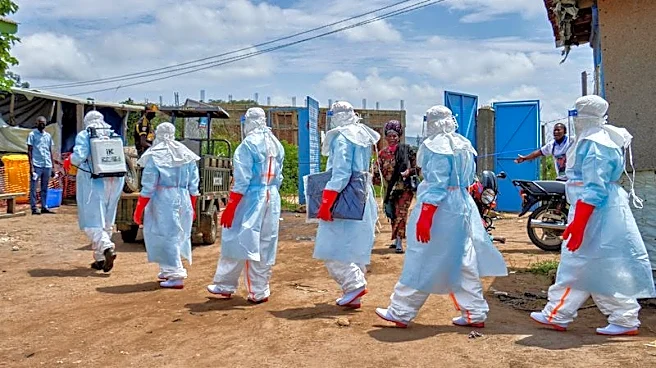
The current Ebola outbreak, originating in the Democratic Republic of Congo, is threatening to become the worst in history. The Bundibugyo virus, a species of Ebola, is spreading rapidly in a volatile region with no available vaccine. The outbreak is exacerbated
by the recent dismantling of the U.S. Agency for International Development (USAID), which has hampered efforts to deliver tests and treatments. The absence of USAID has disrupted established networks of trust and slowed the response to the virus. The outbreak has already spread to neighboring Uganda and poses a significant threat to the region's stability.
Why It's Important?
The dismantling of USAID has left a significant gap in global health security, affecting the ability to respond effectively to the Ebola outbreak. The lack of a coordinated response could lead to thousands of deaths and destabilize a region that is crucial to U.S. interests, including national security and economic prosperity. The absence of USAID's infrastructure, such as disease surveillance systems and healthcare worker networks, has made it difficult to manage the outbreak. This situation highlights the broader implications of the U.S. retreat from international health initiatives, which could have long-term consequences for global health security.
What's Next?
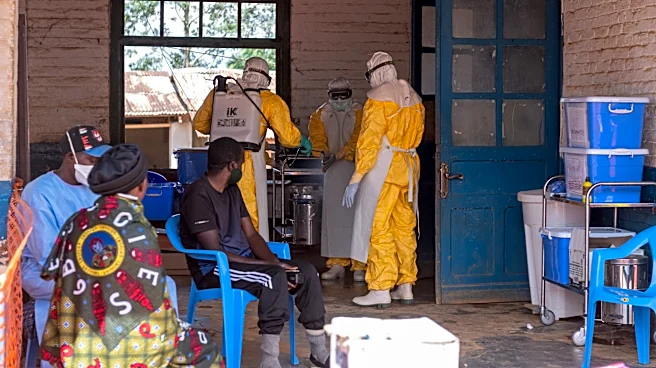
The immediate priority is to increase lab capacity to ensure accurate testing and to scale up a humanitarian response that addresses fundamental health needs, such as providing water and basic medications. There is also a need to rebuild trust with local communities to ensure effective disease surveillance and response. The international community may need to step in to fill the void left by USAID, but this will require significant resources and coordination. The risk of the virus spreading to other countries remains a concern, emphasizing the need for a robust and coordinated global response.
Beyond the Headlines
The outbreak underscores the ethical and practical challenges of withdrawing from global health initiatives. The lack of support for community health workers and the breakdown of established networks have left vulnerable populations without essential services. This situation raises questions about the responsibility of prosperous nations to support global health security and the potential consequences of neglecting these obligations. The outbreak also highlights the importance of maintaining ongoing connections with affected communities to ensure a rapid and effective response to health crises.