






What's Happening?
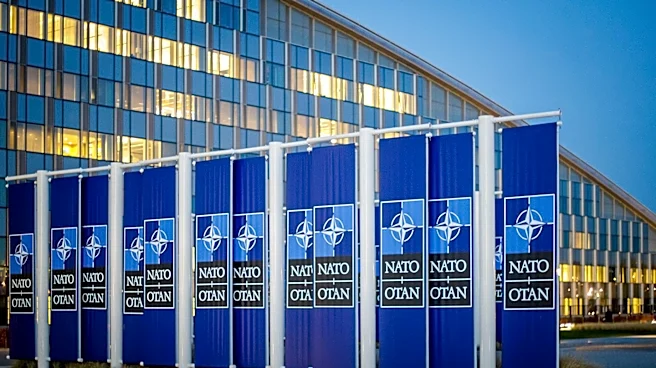
NATO is working to address gaps in European defense capabilities, as highlighted by U.S. European Command leader Grynkewich. The alliance is focusing on honest and open discussions among member states to celebrate achievements and address areas needing
improvement. The U.S. remains the only NATO member with long-range bombers and significantly greater resources in air mobility, fighters, and aerial refueling. This disparity poses challenges for European allies in filling defense gaps, despite ongoing efforts to enhance collective security.
Why It's Important?
The challenges faced by NATO in strengthening European defense capabilities underscore the reliance on U.S. military resources within the alliance. This reliance highlights the need for European nations to increase their defense investments and capabilities to ensure a balanced and effective collective defense strategy. The situation also reflects broader geopolitical dynamics, where NATO must adapt to evolving security threats and maintain its strategic relevance. Strengthening European defense capabilities is crucial for the alliance's ability to respond to potential threats and maintain stability in the region.
What's Next?
NATO is expected to continue its efforts to enhance European defense capabilities through increased collaboration and resource sharing among member states. The alliance may also explore new strategies to address capability gaps and ensure a more balanced distribution of military resources. Additionally, NATO's focus on strengthening European defense could lead to increased defense spending and investment in advanced military technologies by European nations. These efforts will be critical in maintaining NATO's strategic effectiveness and ensuring the security of its member states.