




What's Happening?
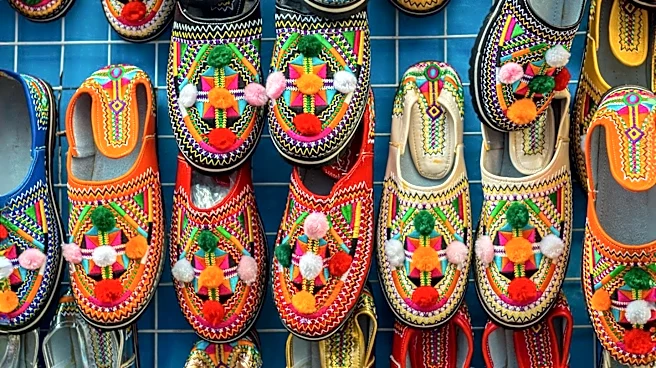
A recent review of federal injury data indicates that slippers are the most dangerous type of footwear, leading to a significant number of serious emergency room visits. Analyzing records from the Consumer Product Safety Commission between 2021 and 2025,
researchers estimate that slippers are associated with approximately 20,750 ER visits annually. This figure is comparable to injuries caused by boots. However, the severity of injuries from slippers is notably higher, with about 40% of slipper-related incidents resulting in serious injuries such as broken bones. This contrasts with 31% for flip-flops and 17% for boots. The Centers for Disease Control and Prevention (CDC) advises against wearing backless shoes, recommends well-fitting, non-slip footwear, and cautions against walking in socks only, particularly for adults aged 65 and older, who are at higher risk for falls.
Why It's Important?
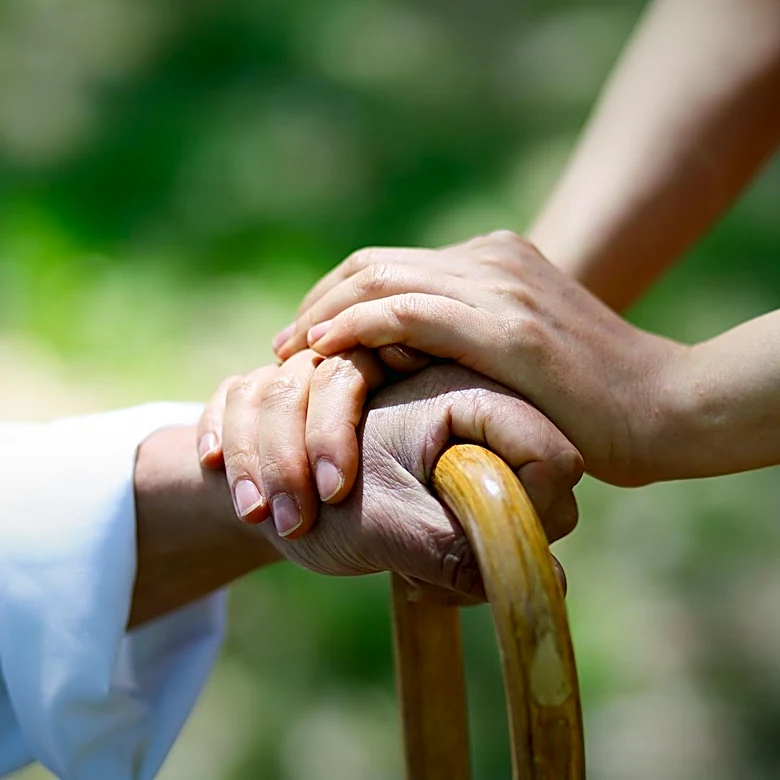
This finding is significant for public health and consumer safety in the U.S., as it highlights an often-overlooked household hazard. The high rate of serious injuries associated with slippers, particularly among older adults, underscores the need for increased awareness and preventative measures. Falls are a leading cause of injury among seniors, and footwear plays a critical role in fall prevention. The data suggests that many consumers may not perceive slippers as a risk, potentially leading to complacency in footwear choices at home. This information could influence product design for footwear manufacturers, encouraging the development of safer slipper options with better support and non-slip soles. It also emphasizes the importance of public health campaigns to educate individuals, especially the elderly and their caregivers, about safe footwear practices to reduce the incidence of falls and related injuries.
What's Next?
In response to these findings, consumers may be encouraged to re-evaluate their indoor footwear choices, prioritizing safety features like non-slip soles and secure fit over comfort alone. Footwear manufacturers might face increased pressure to design slippers that meet higher safety standards, potentially leading to innovations in materials and construction aimed at reducing fall risks. Public health organizations, such as the CDC, may intensify their campaigns on fall prevention, specifically including recommendations for safe indoor footwear. Retailers could also play a role by providing clearer safety information for slipper products. For individuals, particularly those in higher-risk demographics like seniors, the next step involves adopting more cautious habits regarding footwear selection and usage within their homes to mitigate the risk of falls and serious injuries.
Beyond the Headlines
The prevalence of slipper-related injuries points to a broader societal issue concerning the perception of safety within the home environment. Often considered a sanctuary, homes can harbor hidden dangers, and this data brings to light how everyday items like slippers can contribute to significant health risks. This issue touches upon the intersection of product design, consumer behavior, and public health policy. It also highlights the need for a more holistic approach to fall prevention that extends beyond external environments to include domestic settings. The findings could spur further research into the biomechanics of falls related to different footwear types and lead to more comprehensive guidelines for safe living environments, particularly for vulnerable populations. This seemingly minor detail about footwear underscores the complex interplay of factors contributing to public health outcomes.