



What's Happening?
Thailand is exploring crude supply options with Oman due to vulnerabilities exposed by the U.S.-Iran conflict and Washington's maritime blockade. Although Thailand does not import Iranian oil, its economy is heavily reliant on Middle Eastern oil flows.
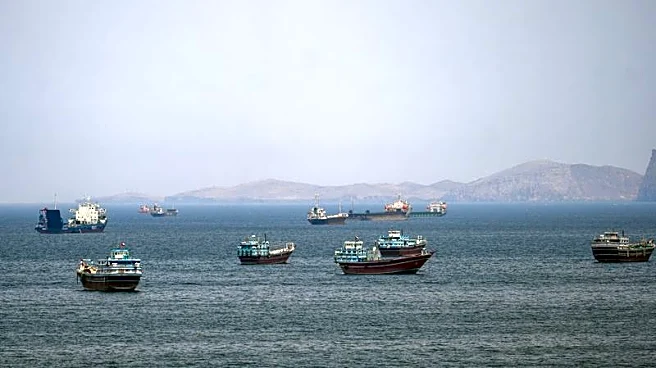
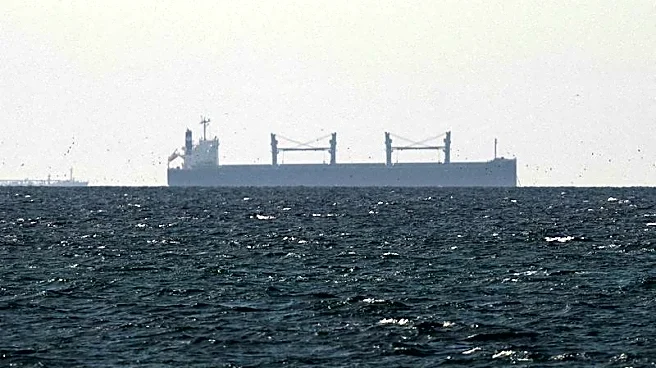
The U.S.-Iran war has led to a significant reduction in traffic through the Strait of Hormuz, a critical route for global oil and LNG flows, affecting Thailand's oil imports. The blockade and secondary sanctions have increased shipping costs and insurance premiums, impacting Thailand's GDP, which is heavily dependent on energy imports.
Why It's Important?
The situation highlights the broader economic implications of geopolitical conflicts on global oil supply chains. For Thailand, the increased energy costs threaten to reduce GDP growth, while the U.S. faces challenges in maintaining alliances in Asia. The conflict underscores the need for countries to diversify energy sources and manage geopolitical risks. The U.S. strategy in the Middle East, particularly its sanctions and blockades, has economic repercussions for allies like Thailand, potentially straining diplomatic relations and prompting shifts in regional alliances.
What's Next?
Thailand may continue to seek alternative oil suppliers to mitigate the impact of the U.S.-Iran conflict. The U.S. will need to consider the economic costs imposed on its allies and possibly adjust its Middle East strategy to maintain regional stability and alliances. A resolution to the conflict and a credible post-war framework could stabilize energy prices and benefit import-dependent economies like Thailand.
Beyond the Headlines
The conflict and its economic fallout may accelerate Thailand's shift towards diversified energy sources and strategic alignments. The situation also raises questions about the long-term sustainability of U.S. sanctions as a foreign policy tool, given their unintended economic impacts on allies.