





What's Happening?
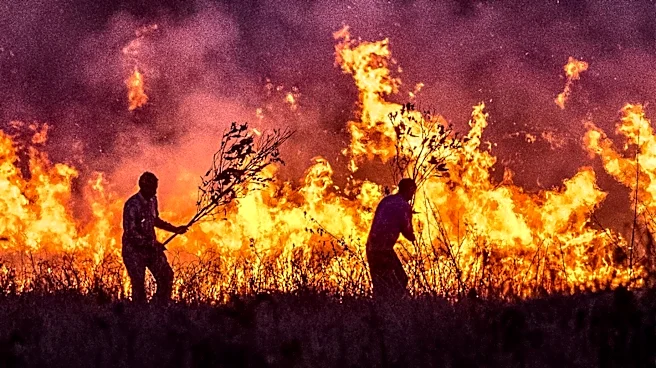
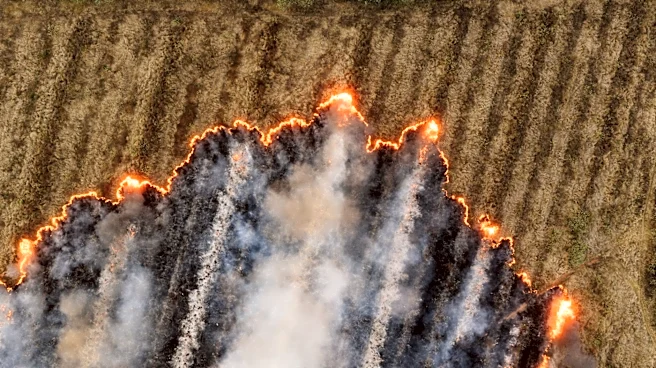
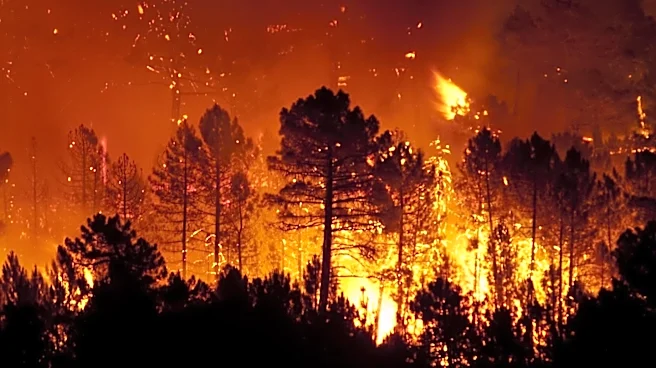
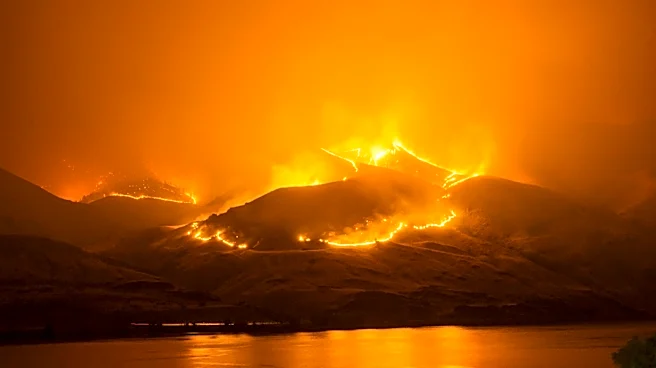
A fire that occurred on Skinner Butte in downtown Eugene, Oregon, has been officially ruled as human-caused, though the specific origin remains undetermined. Eugene Springfield Fire Chief Mike Caven confirmed this development. The fast-moving blaze prompted
immediate evacuations for residents and hikers within a half-mile radius as flames ascended the hillside. Fire crews from Eugene Springfield Fire quickly brought the situation under control, preventing major damage to the area. The Eugene Police Department's Arson Unit is now investigating the incident, with initial beliefs suggesting the fire may have been caused by a firework. Callers to 911 reported flames approximately 20 feet high and one individual heard a loud boom followed by a fizzling sound at the time the fire started. The agency has stated that there is no longer a threat to the community from the fire.
Why It's Important?
This incident highlights the ongoing risk of human-caused fires, particularly in natural areas close to urban centers. The need for immediate evacuations underscores the potential danger to public safety and property, even when fires are quickly contained. The involvement of the Eugene Police Arson Unit indicates the seriousness with which authorities are treating the incident, suggesting potential criminal charges if a specific cause and responsible party are identified. For communities like Eugene, which are often surrounded by natural landscapes, such events serve as a reminder of the importance of fire prevention measures and rapid response capabilities. The potential for fireworks to cause such fires also brings attention to regulations and public awareness campaigns regarding their use, especially during dry conditions.
What's Next?
The Eugene Police Arson Unit will continue its investigation into the Skinner Butte fire to determine the exact cause and identify any individuals responsible. This investigation will likely involve examining the scene for evidence, interviewing witnesses, and analyzing the reports from the initial responders. Depending on the findings, potential charges could be filed if arson or negligence is confirmed. The community may see increased public awareness campaigns regarding fire safety and the responsible use of fireworks, particularly in areas prone to wildfires. Local authorities will also likely review and potentially update emergency response protocols and evacuation plans to ensure preparedness for future incidents.
Beyond the Headlines
The Skinner Butte fire, while contained, touches upon broader issues of urban-wildland interface challenges and the increasing frequency of human-caused environmental incidents. The 'officially undetermined' yet 'human-caused' ruling points to the complexities of fire investigations and the difficulty in pinpointing exact origins without direct evidence. This event could spark discussions on public land management, access regulations, and the balance between recreational use and environmental protection. Furthermore, it may influence local policy debates regarding firework restrictions or educational initiatives aimed at fostering greater environmental stewardship among residents and visitors to natural areas within city limits. The incident also subtly reflects the psychological impact of such events on communities, even when damage is minimal, as the threat of wildfire remains a significant concern in many U.S. regions.