






What's Happening?
Utah has become the epicenter of a significant measles outbreak in the United States, with over 600 cases reported, according to public health data. This outbreak represents a substantial portion of the 1,748 confirmed measles cases nationwide, as reported by
the U.S. Centers for Disease Control and Prevention (CDC). Unlike previous outbreaks that were concentrated among unvaccinated religious groups, the current spread in Utah is more widespread among the general population. Key locations linked to the outbreak include a grocery store, a big box shop, a Latter-day Saints temple, and the University of Utah. The majority of those affected, over 510 individuals, were unvaccinated. State health officials emphasize the severity of measles, countering misinformation that downplays the illness. Dr. Leisha Nolen, a state epidemiologist, has been actively dispelling myths about the disease's mildness, highlighting that measles can lead to severe illness, with 14% of cases in Salt Lake City requiring hospitalization.
Why It's Important?
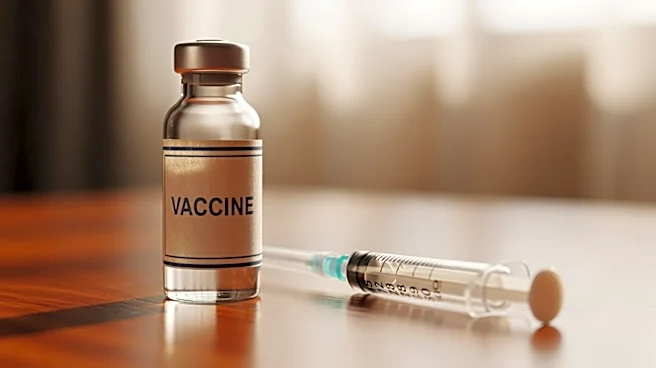
The outbreak in Utah underscores the critical importance of vaccination in preventing the spread of measles, a highly contagious disease. With only about 10% of those affected having received at least one dose of the measles, mumps, and rubella (MMR) vaccine, the situation highlights the consequences of vaccine hesitancy and misinformation. The CDC recommends two doses of the MMR vaccine for 97% protection against measles. However, Utah's non-medical exemption rate for vaccinations is higher than the national average, posing a challenge to achieving the 95% vaccination rate needed to halt the virus's spread. This outbreak could prompt public health officials and policymakers to re-evaluate vaccination policies and address misinformation to prevent future outbreaks.
What's Next?
Efforts to control the outbreak will likely focus on increasing vaccination rates and public awareness about the severity of measles. Health officials may intensify campaigns to educate the public on the importance of the MMR vaccine and dispel myths about the disease. Additionally, there could be discussions around tightening exemption policies to ensure higher vaccination coverage. Monitoring and containment measures will continue as health authorities aim to reduce the number of new cases. The situation may also influence legislative actions regarding vaccination requirements in schools and public health policies.