






What's Happening?
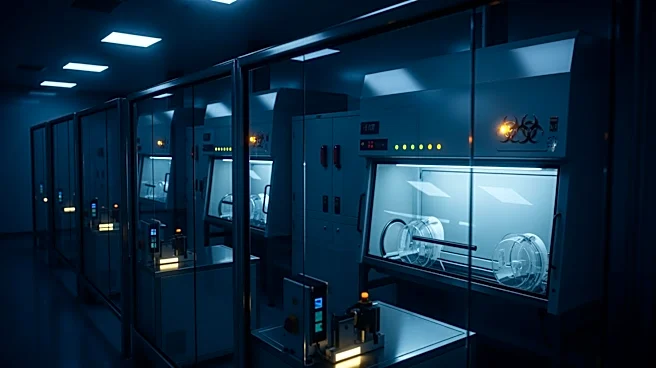
Indiana University Bloomington has been ordered by the U.S. Department of Agriculture (USDA) to secure several biology labs, leading to the university police changing the locks on May 7th. The directive follows an ongoing investigation involving Roger
Innes, a microbiologist at the university, and Youhuang Xiang, a post-doctoral researcher. Xiang, who conducted USDA-sponsored research on crop resistance, pled guilty last month to importing biological materials from China without authorization. The USDA's action comes after the FBI had previously searched Innes's lab in December, initially finding it in compliance. However, the USDA later reversed this finding, stating the lab was still under review. Innes has criticized the government's actions, suggesting they contribute to 'anti-Chinese hysteria.'
Why It's Important?
This development underscores the heightened scrutiny and tension surrounding research collaborations involving Chinese scientists in the U.S. The USDA's actions reflect broader national security concerns about intellectual property and biosecurity, particularly in sensitive research areas like biotechnology. The situation at Indiana University highlights the potential disruptions to academic research and the challenges institutions face in balancing compliance with federal regulations and maintaining an open research environment. The case also raises questions about the treatment of international researchers and the impact of such investigations on the academic community's perception of fairness and due process.
What's Next?
The university is working to resolve the situation and minimize disruptions to research activities. It remains to be seen how the USDA's investigation will conclude and what further actions might be taken. The outcome could influence future policies on international research collaborations and the handling of security concerns in academic settings. Stakeholders, including university officials, researchers, and federal agencies, will likely continue to navigate the complexities of ensuring both national security and academic freedom.