






What's Happening?
Maryland has enacted a law prohibiting the use of surveillance pricing in grocery stores, making it the first state in the U.S. to do so. This practice involves adjusting prices based on personal data such as location and internet history, leading to different
prices for the same items. Governor Wes Moore signed the bill, emphasizing the need to protect consumers from companies using analytics to maximize profits. However, the law includes exemptions for loyalty programs and promotional offers, which critics argue could undermine its effectiveness. Consumer Reports and other advocacy groups have expressed concerns about the law's weak enforcement provisions and potential loopholes that could allow similar pricing outcomes through different means.
Why It's Important?
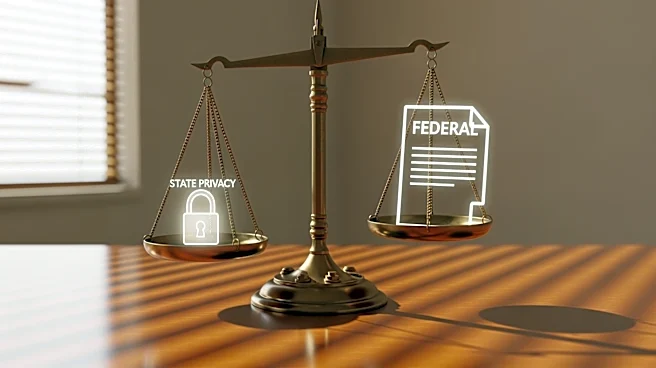
The ban on surveillance pricing in Maryland is significant as it addresses consumer protection in the digital age, where personal data is increasingly used to influence pricing strategies. This law could set a precedent for other states considering similar legislation, such as Colorado, California, and New Jersey. The Federal Trade Commission has also been investigating these practices, highlighting the broader national concern. However, the law's exemptions and enforcement limitations may reduce its impact, potentially allowing businesses to continue exploiting consumer data. The outcome of this legislation could influence future regulatory approaches to data privacy and consumer rights.
What's Next?
As Maryland implements this new law, other states may observe its effectiveness and consider adopting similar measures. Consumer advocacy groups are likely to push for stronger enforcement and fewer exemptions in future legislative sessions. The Federal Trade Commission's ongoing investigation into surveillance pricing could lead to federal action, although current leadership has expressed skepticism about previous findings. Businesses may need to adjust their pricing strategies to comply with new regulations, potentially leading to broader changes in how consumer data is used in pricing decisions.