






What's Happening?
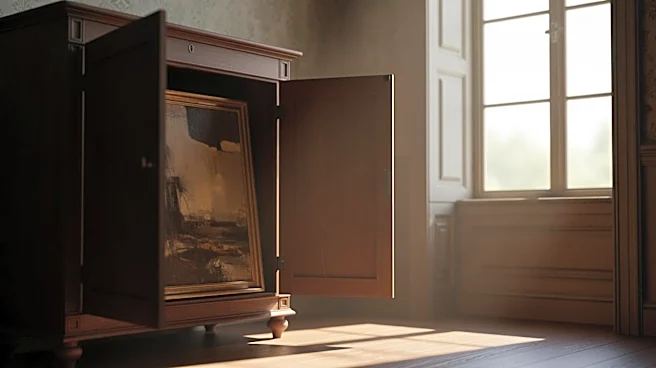
A painting looted by the Nazis during World War II has been found in the home of the descendants of a Dutch SS collaborator, Hendrik Seyffardt. The artwork, 'Portrait of a Young Girl' by Toon Kelder, originally belonged to Jewish art collector Jacques
Goudstikker. Art detective Arthur Brand uncovered the painting after being contacted by a relative of Seyffardt, who was unaware of his connection to the Nazi collaborator. The painting had been displayed in the home of Seyffardt's granddaughter for years. Upon learning of its origins, the family expressed a willingness to return the painting to the Goudstikker heirs. Brand's investigation revealed that the painting was sold at a 1940 auction of looted Goudstikker art, where it was purchased by Seyffardt.
Why It's Important?
The discovery of the looted painting highlights ongoing efforts to address the restitution of art stolen during the Nazi era. This case underscores the complex legacy of World War II and the enduring impact of Nazi looting on Jewish families. The return of the painting to the Goudstikker heirs represents a significant step in rectifying historical injustices. It also raises awareness about the importance of provenance research in the art world, as many artworks with unclear histories may still be in private collections. The case may encourage other families to investigate the origins of artworks in their possession, potentially leading to further restitutions.
What's Next?
The return of the painting to the Goudstikker heirs is expected to proceed, facilitated by legal representatives. This case may prompt increased scrutiny of art collections with potential ties to Nazi looting. Art institutions and private collectors might face pressure to conduct thorough provenance research to ensure the rightful ownership of artworks. Additionally, the case could inspire legislative or policy changes to streamline the restitution process for looted art, making it easier for heirs to reclaim their family's cultural heritage.
Beyond the Headlines
The ethical implications of art restitution are significant, as they involve reconciling historical wrongs and acknowledging the cultural losses suffered by Jewish families during the Holocaust. This case also highlights the role of art detectives and historians in uncovering hidden histories and facilitating justice. The cultural and historical value of artworks extends beyond their monetary worth, serving as reminders of personal and collective histories. The return of looted art can contribute to healing and reconciliation, offering a form of symbolic restitution for the descendants of those who suffered during the war.