


What's Happening?
The U.S. Equal Employment Opportunity Commission (EEOC) has filed a lawsuit against U.S. Steel, alleging that the company violated the Pregnant Workers Fairness Act (PWFA) by failing to provide reasonable accommodations to a pregnant employee. The employee,
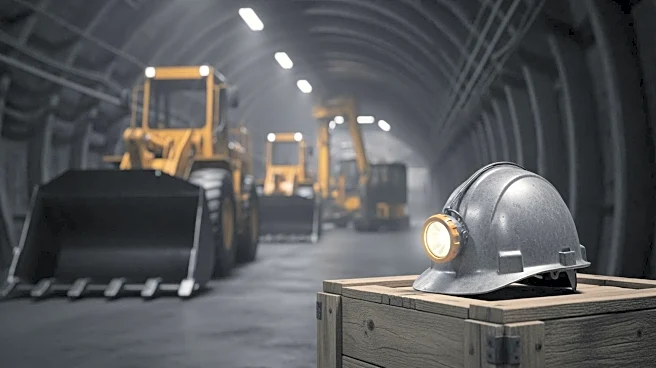
who worked as a mobile equipment operator at a mine in northern Minnesota, was reportedly restricted by her healthcare providers from operating physically jarring equipment due to her pregnancy. Despite the availability of less strenuous tasks within her role, U.S. Steel allegedly refused to accommodate her and instead placed her on sick leave. Upon her return, she was assigned to menial tasks in an office under renovation, which exposed her to cold air and dust, and later to remote parts of the mine lacking appropriate facilities. The EEOC claims these actions were retaliatory and denied her opportunities for increased pay.
Why It's Important?
This lawsuit underscores the ongoing challenges pregnant workers face in securing reasonable accommodations in the workplace. The EEOC's action highlights the importance of the PWFA, which mandates that employers engage in an interactive process to identify suitable accommodations for pregnant employees. The case against U.S. Steel could set a precedent for how companies handle similar situations, emphasizing the need for compliance with federal laws protecting pregnant workers. The outcome may influence corporate policies nationwide, potentially leading to more robust protections and accommodations for pregnant employees, thereby impacting workplace equality and employee rights.
What's Next?
The lawsuit will proceed through the legal system, with U.S. Steel expected to respond to the allegations. The case may prompt other companies to review and potentially revise their policies regarding accommodations for pregnant employees to ensure compliance with the PWFA. Additionally, the EEOC's continued enforcement actions could lead to increased awareness and adherence to federal guidelines, potentially resulting in more settlements or legal actions if similar violations are identified in other organizations.