





What's Happening?
Linda Bilmes, a Harvard Kennedy School expert, has challenged the accuracy of the $37.5 billion figure cited by Pete Hegseth as the current cost of the Iran war. Bilmes argues that this figure, which Hegseth himself noted was an estimate of some upfront
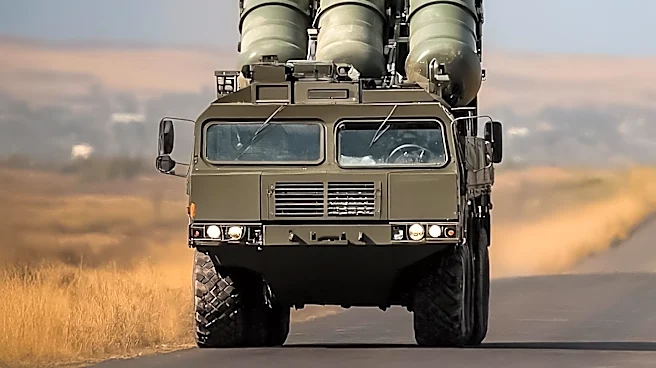
costs, represents only a 'tiny tip of the iceberg.' She emphasizes that the true cost of war extends far beyond initial expenditures, particularly due to the replacement value of munitions and the long-term care for service members. For instance, Tomahawk missiles, originally costing $1-2 million, now cost $4-5 million to replace, and Patriot missiles have doubled in price. Bilmes highlights that the $37.5 billion estimate does not account for the 'long tail' of costs, including lifetime disability benefits and healthcare for the 60,000 troops stationed in the theater since February 28th, many of whom have been exposed to toxics and contaminants. She points out that approximately 400 troops have been classified as wounded, with an additional 15,000-20,000 exposed to harmful conditions.
Why It's Important?
The discussion surrounding the true cost of the Iran war is critically important for U.S. public policy and economic stakeholders. Underestimating war costs can lead to significant long-term financial burdens, as these expenses are often financed through debt, effectively passing the cost onto future generations. Bilmes's analysis underscores that the immediate financial outlay for munitions is only a fraction of the total economic impact. The long-term healthcare and disability benefits for service members, many of whom are young, will span decades, creating a sustained drain on national resources. This approach contrasts sharply with historical precedents, such as President Truman's 'pay as we go' policy during the Korean War, which aimed to prevent burdening future generations. The current method of financing wars through debt means that students and future taxpayers will ultimately bear the financial weight, impacting national budgets, social programs, and economic stability for years to come. This debate highlights the need for a comprehensive and transparent accounting of war expenditures to inform public discourse and policy decisions.
What's Next?
The ongoing debate regarding the true cost of the Iran war is likely to continue influencing discussions within the U.S. government and among the public. Lawmakers and policymakers may face increased pressure to provide more transparent and comprehensive estimates of war expenditures, moving beyond initial upfront costs to include long-term obligations. This could lead to calls for new accounting methodologies that factor in the replacement value of military assets and the lifetime care costs for service members. Public awareness campaigns and advocacy groups may also emerge, pushing for greater accountability in military spending and a reevaluation of how wars are financed. The long-term financial implications, particularly for younger generations, could become a more prominent issue in future budget debates and election cycles. Additionally, the discussion might prompt a reexamination of the economic and social responsibilities associated with military deployments, potentially influencing decisions on troop deployments and veteran support programs.
Beyond the Headlines
The discrepancy in war cost estimates reveals deeper ethical and societal implications regarding national responsibility and intergenerational equity. By financing wars through debt, the U.S. is effectively deferring the true cost to future generations, a practice that President Truman explicitly warned against. This raises questions about the moral obligation of current policymakers to bear the full financial burden of their decisions rather than passing it on. The 'long tail' of costs, particularly the lifetime care for service members exposed to hazardous conditions, highlights a profound societal commitment that extends far beyond the immediate conflict. This commitment underscores the human cost of war, which is often overshadowed by financial figures. The discussion also touches upon the transparency and accuracy of government reporting, suggesting a need for more robust and inclusive accounting practices that capture the full spectrum of war-related expenses. Ultimately, this debate challenges the nation to confront the true economic and human price of military engagements and to consider more equitable ways of funding them.