






What's Happening?
Democrat Janelle Stelson and Republican Scott Perry have accepted invitations to participate in an abc27-hosted debate on October 14. The debate will take place in the abc27 studio at 8 p.m. and will be moderated by Dennis Owens. This event marks a rematch
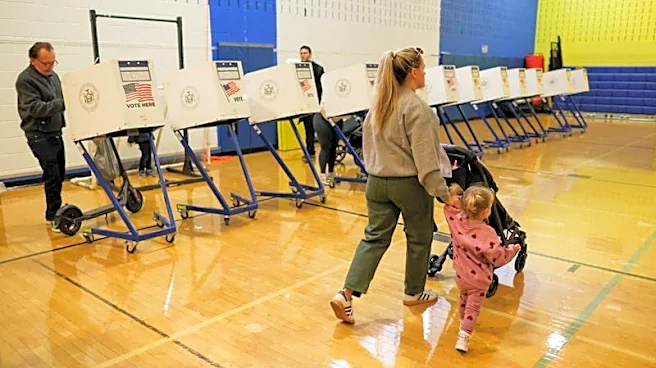
of the 2024 10th District race for Pennsylvania's Congressional seat, which covers all of Dauphin County and parts of Cumberland and York counties. abc27 also hosted the sole debate between Perry and Stelson during the previous election cycle. Scott Perry is a seven-term congressman who previously served in the State House of Representatives and in the Army, where he earned the rank of Brigadier General. Janelle Stelson worked as a television journalist in Central Pennsylvania for over two decades and previously served as a speechwriter at the Embassy of Egypt in Washington, D.C. The candidates met specific criteria adopted by Nexstar Media Group to be invited to the debate. Voters are encouraged to register at vote.pa.gov/Register-to-Vote and find election information at pavoterservices.pa.gov. Mail ballots must be returned by 8 p.m. on Election Day, November 5, with polling locations open from 7 a.m. to 8 p.m.
Why It's Important?
This debate is crucial for voters in Pennsylvania's 10th Congressional District as it offers a direct comparison between the two leading candidates, Janelle Stelson and Scott Perry. Given that this is a rematch, the debate provides an opportunity for both candidates to refine their messages and address issues that may have resonated differently in the previous election. For Perry, a seven-term incumbent, it's a chance to defend his record and articulate his vision for the district. For Stelson, it's an opportunity to challenge the incumbent and present herself as a viable alternative. The outcome of this race could significantly influence the balance of power in the U.S. House of Representatives, as Democrats are targeting several seats in Pennsylvania, including Perry's, to secure a majority. The debate's accessibility across various platforms, including live television, online streaming, and a dedicated app, ensures broad public engagement, allowing a diverse electorate to make informed decisions.
What's Next?
Following their agreement, Janelle Stelson and Scott Perry will prepare for the abc27-hosted debate scheduled for October 14. This debate will be a key event in the campaign, potentially shaping voter perceptions and influencing the dynamics of the race. Both candidates are expected to intensify their campaign efforts, including public appearances, advertising, and voter outreach, leading up to the debate and the general election on November 5. The debate's format and the specific topics discussed will likely be critical in highlighting their policy positions and leadership styles. After the debate, public reaction and media analysis will further inform the electorate. Voters in Pennsylvania's 10th Congressional District will then cast their ballots, with mail ballots due by 8 p.m. on Election Day and polling locations open from 7 a.m. to 8 p.m. The results of this election will determine who represents the district in the U.S. House of Representatives for the upcoming term.
Beyond the Headlines
The agreement to a televised debate between Janelle Stelson and Scott Perry underscores the increasing importance of direct candidate engagement in modern political campaigns, particularly in competitive districts. In an era of fragmented media consumption, a widely accessible debate provides a rare opportunity for voters to see candidates interact and articulate their positions in a less filtered environment. This event also highlights the role of local media outlets like abc27 in fostering civic discourse and providing platforms for democratic participation. The rematch aspect adds a layer of narrative, allowing for a comparison of how both candidates have evolved their platforms and strategies since their last encounter. Furthermore, the emphasis on voter registration and access to election information reflects ongoing efforts to encourage civic engagement and ensure a well-informed electorate, which is vital for the health of democratic processes at both local and national levels.